

























































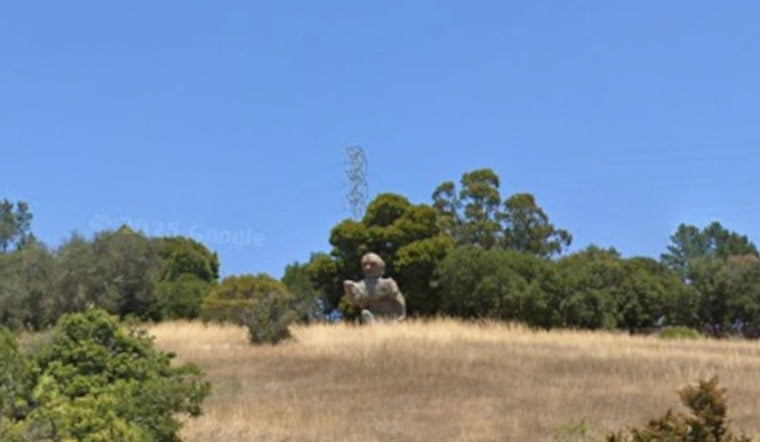
Travelers along Interstate-280 in Hillsborough were met with a stark change in scenery as the towering statue of Saint Junipero Serra, a familiar landmark for half a century, was unceremoniously removed. The California Department of Transportation (CalTrans) action came without much fanfare, with the statue being demolished due to its non-compliance with current Transportation Art Program requirements and a history of vandalism. According to ABC7 News, the statue was not eligible for the California Register of Historical Resources.
Before the removal, CalTrans sought to adequately consult various stakeholders, including Ohlone Native American tribes with ancestral ties to the region and other historical, art, and religious organizations. "Caltrans District 4 conducted an extensive outreach campaign starting in the Spring of 2024," the department stated, per ABC7 News, detailing efforts to inform 15 different organizations, including direct notification to Archbishop Salvatore Cordileone and local elected officials. This statement contrasts sentiments from the Archbishop, who told KRON4, "I learned about the removal of the St. Junipero Serra statue after it happened." He questioned the transparency of the process and whether the same approach would be applied "if it happened to be associated with another religious organization."
The statue, installed in 1975 and designed by sculptor Louis DuBois, faced increasing controversy due to Saint Serra's complex legacy. Once celebrated as the "Apostle of California," Serra's role in the mission system has been scrutinized for its impact on Native Americans. The Muwekma Ohlone Tribe acknowledged that the statue's removal represented an initiative to recognize a "painful history of colonialism in our ancestral homelands," as they stated in an interview with KRON4. They also noted they were not involved in Caltrans's decision to remove the statute.




