

























































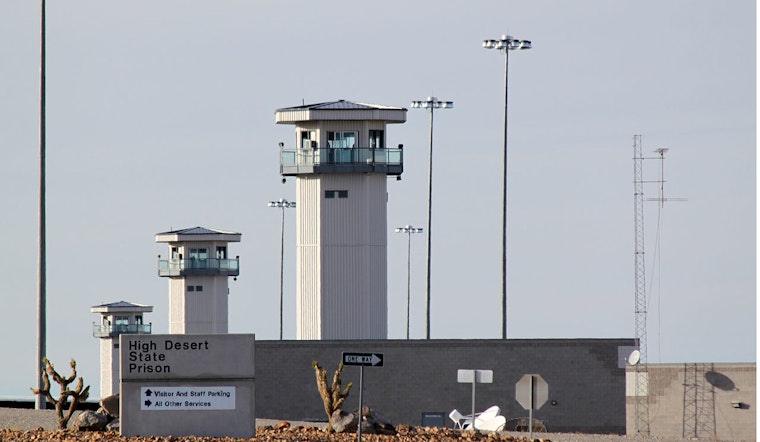
Tragedy struck at High Desert State Prison where an inmate was fatally stabbed earlier this week. As reported by News3LV, 33-year-old Dylan Walters succumbed to his injuries after a violent altercation on Monday. The Nevada Department of Corrections has since confirmed the stabbing, marking a grim milestone for the state's prison system, which is now witnessing its highest death rate in four years.
Walters, who was 18 months into his 16- to 40-month sentence for attempted grand larceny, was poised to possibly be paroled on July 17, yet found himself entangled in the violence that plagues the corridors of High Desert. KTNV reports that his death counts as the 53rd in the Nevada Department of Corrections this year, a spike unseen since 2021. The NDOC's own records illuminate how Walters' passing is but a single, dark thread in a larger tapestry of systemic issues.
Violence in prisons is hardly an unfamiliar narrative, and the recent transfer of inmates and staff between High Desert and Ely State Prisons raised serious concerns regarding the adequacy of staff training and preparedness. NDOC director James Dzurenda admitted to shortcomings in staff training following the swap, aiming to "really do" better, even as they were being retrained. Despite this acknowledgment, when pressed about whether the swap contributed to increased violence, Governor Joe Lombardo distanced the two, instead citing the staffing adjustments as a strategy to cope with existing issues at Ely State Prison.
Scaling further into the problem, Dzurenda has linked drug debts and illegal drugs as primary culprits in the ensuing violence. In a statement to the Interim Finance Committee earlier this month, he noted a shocking increase in overdoses, with this year's count at 127, up from 12 in 2021. Hospital visits due to overdoses have simultaneously driven more officer overtime, contributing massively to the department's budget challenges. Adding to the complexity, a 2023 legislature bill now requires inmates to receive original, physical copies of mail, which Dzurenda says has complicated some of their drug enforcement efforts.
The repercussions of these systemic failures have echoed through the halls of High Desert State Prison and beyond, into the lives of the families, friends, and advocates who have long voiced their concerns. Provided the consistently rising incidents and fatalities, the questions surrounding prison safety, staff capacity, and overall inmate well-being continue to burgeon, demanding immediate and effective solutions.


