

























































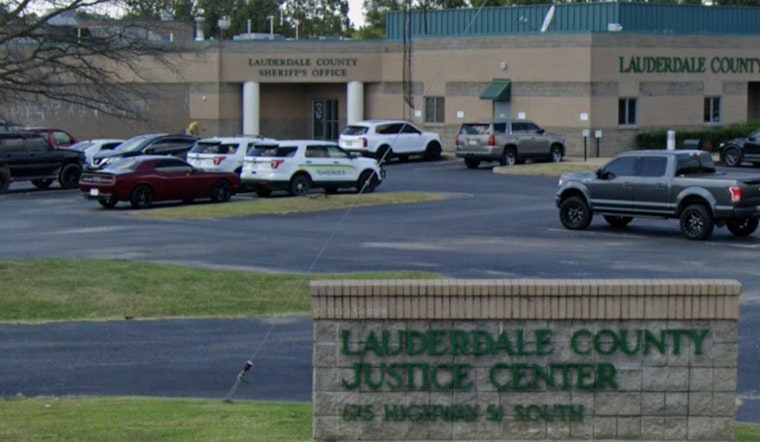
The Lauderdale County Sheriff's Office announced the hiring of Julie Northcott as the Correctional Program Administrator, a role aimed at reducing recidivism in the local community. According to a social media post by Sheriff Brian Kelley Lauderdale County Sheriff’s Office, Northcott's position is funded by a $1.2 million grant and is designed to implement programs that address addiction, mental health, and life trauma among offenders.
Northcott comes into the role with expectations to expand the program's capabilities, providing trade skills and re-entry job assistance to people emerging from the criminal justice system. The initiative is part of a larger effort to provide individuals with the resources they need to break cyclical patterns of incarceration. Sheriff Kelley highlighted the importance of such community-driven initiatives, stating, "Real change cannot come until we, as a community, provide those who face such challenges with a skill set and positive foundation to lead productive lives."
Effective programs can significantly reduce the rate at which formerly incarcerated individuals return to prison, thereby improving the safety and economic strength of the community. With a strong focus on rehabilitation and support, this approach reflects a shifting paradigm within the criminal justice system towards correctional programs that emphasize recovery and empowerment over punishment-alone strategies.
As Northcott steps into her new role, the Lauderdale County Sheriff's Office is expressing optimism about the potential for creating long-lasting impacts. These efforts come at a time when shifting public opinion is increasingly in favor of comprehensive criminal justice reform. The addition of such a role at the Lauderdale County Sheriff's Department is seen as a progressive move that aligns with these broader changes in policy and perception around the rehabilitative needs of those entangled in the criminal justice system.





