

























































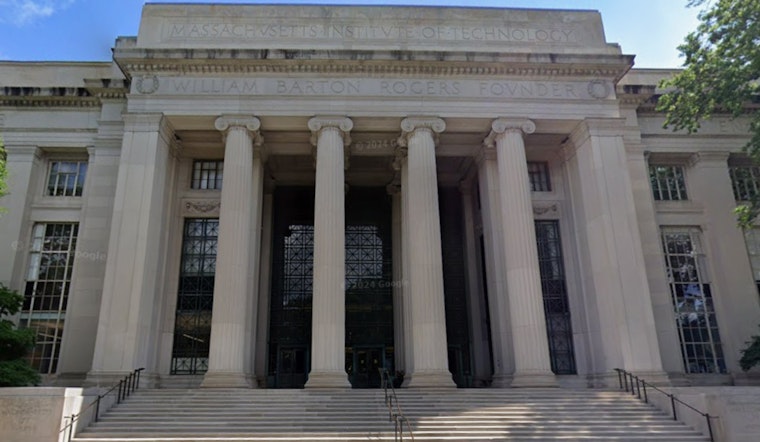
In a recent fusion of art and science, Kimaya Lecamwasam, a computational neuroscientist, musician, and doctoral candidate at the MIT Media Lab, is breaking new ground in creating mental health interventions using music, as reported by MIT News. Her work, which has been a lifelong journey of marrying her deep-rooted passion for music with her academic pursuits in neuroscience, now aims to develop tools that can support mental wellness without relying solely on pharmaceuticals.
At the heart of Kimy's research is the concept of "pharmamusicology," a term she's coined that examines music's ability to elevate the physiology and psychology of individuals with anxiety, drawing from experiences in personal musicianship and the observable reactions of others to music. Lecamwasam's current work spans several projects, including a partnership with Myndstream to determine the emotional weight of AI-generated music against traditional human compositions and collaboration with the North Shore Lullaby Project in Massachusetts to study the impact of lullaby writing on perinatal health.
The significance of Lecamwasam's endeavors extends beyond laboratories and concert halls; she has become a central figure in building a supportive and interconnected community at MIT's Media Lab. Professor Tod Machover praised her as someone who embodies the spirit of the Media Lab by integrating her love for music and scientific inquiry to foster empathy and connection. She has been recognized for her commitment to assist others, both through the MAS's SOS program and the upcoming initiative to create a "buddy system" for incoming master’s students, according to her advisor.
Lecamwasam's international presence is also notable, having presented her work at international conferences such as the 2023 CHI conference on Human Factors in Computing Systems in Hamburg, Germany and the 2024 Audio Mostly conference in Milan, Italy, her work echoes the broader Media Lab ethos, a blend of rigorous, evidence-based research coupled with projects that have tangible, creative applications; it's this combination that makes her studies not just academically interesting but potentially transformative for people's daily lives, especially for those seeking mental health support in innovative ways.



