

























































A federal judge in Boston on Wednesday refused to toss a multistate lawsuit accusing the U.S. Department of Justice of using internal memos to intimidate and chill medical providers who offer gender-affirming care to minors. The decision keeps the case alive and opens the door to discovery in a showdown that pits 16 states and the District of Columbia against new federal enforcement directives.
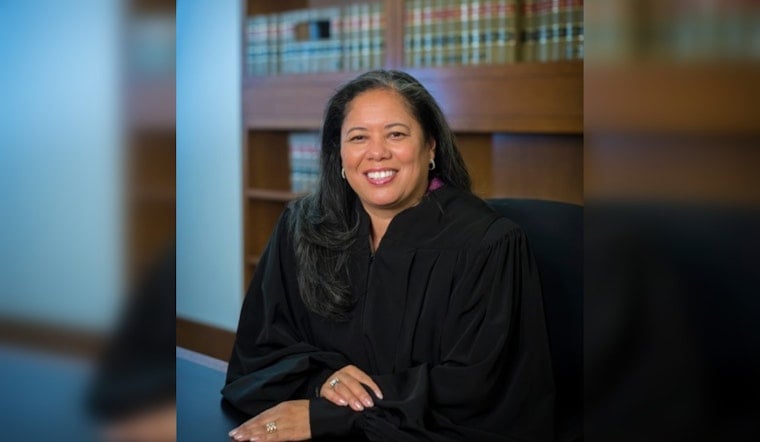
U.S. District Judge Angel Kelley denied the DOJ’s motion to dismiss, concluding that the agency’s guidance "did not merely announce new enforcement priorities but adopted new federal law interpretations to intimidate and harass healthcare providers into ceasing such treatments," the court wrote. The order found that the memos went further than routine prosecutorial priority-setting and could therefore be treated as final agency action that courts may review, according to Reuters.
What The Memos Say
The April directive from Attorney General Pam Bondi instructed U.S. attorneys to investigate certain gender-affirming procedures under the federal female genital mutilation statute. It also told the Civil Division to probe potential Food, Drug, and Cosmetic Act and False Claims Act violations linked to puberty blockers and hormone treatments. The Bondi memorandum further urged the Civil Division and the Consumer Protection Branch to pursue manufacturers, distributors, and providers, and to welcome qui tam whistleblower lawsuits, according to the Department of Justice memorandum.
Why The States Sued
Sixteen states and the District of Columbia, led by New York and Massachusetts, filed their complaint on Aug. 1, 2025. They argue that the Justice Department’s memos go well beyond internal guidance and infringe on their sovereign authority to regulate medical care. Plaintiffs, along with outside reporting, point to more than 20 subpoenas the department sent to clinicians and clinics as evidence that the guidance has chilled care in some hospitals and practices, as reported by Reuters.
Who Is In The Courtroom
The states are represented by teams from the New York and Massachusetts attorneys general offices, including Galen Sherwin, Zoe Ridolfi‑Starr, and Adam Cambier, according to court filings. The United States is defended by DOJ trial counsel John Bailey. The complaint and later briefs are publicly available on the court’s docket and are collected by the Civil Rights Litigation Clearinghouse.
What Happens Next
With the motion to dismiss denied, the case now heads toward discovery and additional briefing. That phase could bring more internal Justice Department documents and subpoenas into the open, if the court allows broader fact-gathering. The key legal question is whether the memos qualify as final agency action under the Administrative Procedure Act, a threshold that will determine what remedies the states might ultimately win, according to Just Security.
Legal Stakes For Providers
If courts accept the DOJ’s new interpretations, healthcare providers could face investigations under the federal FGM statute, which the Bondi memo notes carries criminal penalties, as well as civil exposure under the False Claims Act for allegedly improper Medicaid billing. That combination puts hospitals and clinicians at both financial and legal risk. The plaintiff states respond that long-standing medical standards and state laws already govern this care, and they argue the memo effectively rewrote federal law without going through required notice and comment procedures, according to the Department of Justice memorandum.
For now, the ruling is a procedural win for the states and a potential breather for providers that scaled back services under federal scrutiny. The case will be closely watched in Boston’s federal courthouse as judges sort out how far the Justice Department can reach into state-regulated medical practice.



