

























































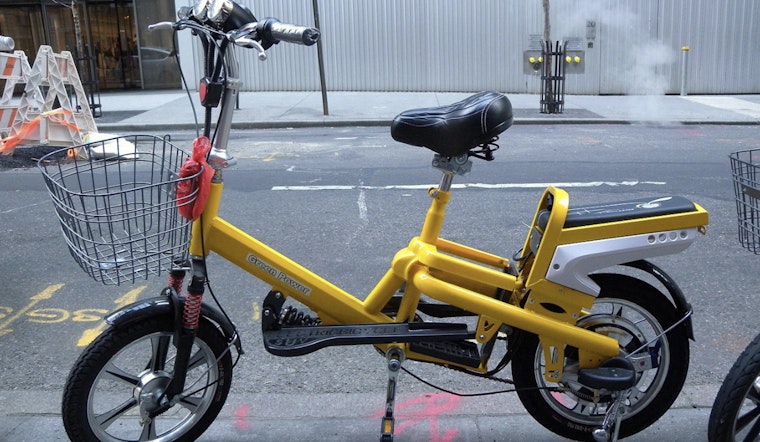
New York City streets are at the center of ongoing discussions about the use of electric bikes (e-bikes) amid evolving transportation technology and existing regulations. A recent incident in Brooklyn has drawn renewed attention to the issue and its implications for traffic safety and urban mobility. According to CBS News New York, 60-year-old architectural consultant Theresa Valenti was killed when struck by an e-bike shortly after stepping off a city bus in Fort Greene.
The e-bike, which had two men on it at the time of the incident, is part of a growing trend that has raised significant safety concerns. As the number of e-bikes increases, regulatory efforts have become more complex, particularly given that many models can reach speeds comparable to those of mopeds and motorcycles. The particular model involved in Valenti's death, manufactured by Movcan and selling for around $700, is capable of reaching 30 mph and is not street-legal in the five boroughs but was not registered with the state Department of Motor Vehicles, according to Gothamist.
Following the fatal incident, the victim’s family is seeking answers, while neither of the e-bike riders has been arrested at this time. Nicole Gelinas, a senior fellow at the Manhattan Institute, highlighted to Gothamist the sheer number of e-bikes as part of the enforcement problem, stating, "The problem is if you have tens of thousands of these vehicles on the street, you have no enforcement mechanism for the police to differentiate between what's legal and what's illegal." The city's planned adjustment to the e-bike speed limit to a maximum of 15 mph remains uncertain due to questions surrounding enforcement.
Valenti's death is not an isolated incident but rather part of a growing trend of injuries and fatalities involving e-bikes. Last year alone, city data shows that at least 638 people were injured and 17 were killed in crashes involving e-bikes. As such incidents mount, calls for clearer regulations and safer streets intensify. Mayor Eric Adams' proposed speed limit and a recent City Council bill requiring delivery workers on e-bikes to wear identification vests and complete a safety course are initial measures aimed at addressing the challenges associated with this mode of transportation. These efforts come as the availability of low-cost, high-speed e-bikes continues to grow, raising concerns about whether current regulations can keep pace.
As New York City navigates the complexities of regulating e-bikes, some are drawing parallels to earlier transportation challenges. Former transportation official and consultant Bruce Schaller referenced the city's response to an influx of approximately 35,000 unlicensed cabs in the 1980s, noting that authorities gained legal power to seize vehicles as a means of regaining control.





