

























































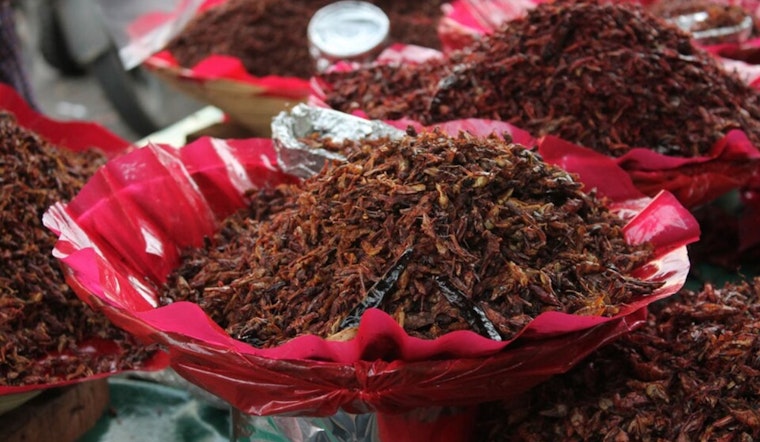
In Oaxaca, Mexico, the local delicacy of chapulines, or grasshoppers, highlights how cultural perceptions of food can shift over time. Once considered a food of poverty, these toasted insects have become a sought-after experience for visiting food lovers. Jeffrey H. Cohen's new work, "Eating Grasshoppers: Chapulines and the Women Who Sell Them," delves into the complex role chapulines play in Oaxacan tradition and survival, a story captured by The Ohio State University news. Cohen, an anthropology professor at the university, has spent significant time researching in the region, where chapulines emerge as a seasonal snack with the onset of the May rains.
While tourists may perceive chapulines as a curious novelty or even an exotic token of the past, for locals, "it is just food," Cohen revealed to Ohio State News. These insects are steeped in centuries of history, prepared simply by boiling, which turns them a deep red, then seasoning them with ingredients like garlic, lemon, and chili before eating. However, the introduction of new foods by the Spanish, and later, a government push for "more modern nutritional foods" in the 1920s and 30s, marked a shift in the status of foods like chapulines within local dietary customs.
Despite societal and official pressures to modernize their palate, Oaxacans continued to feast on chapulines due to their abundance and affordability. The women who sell these grasshoppers, referred to as chapulineras, have become economic pillars within their communities, often out-earning city professionals through their market trade. Moreover, the chapulineras adapted to the pandemic's market closures with a touchless economy via messaging apps, as detailed by Ohio State News. Some offered no-interest loans to customers in financial distress.
The surge in popularity of Oaxaca as a tourist hub has once again transformed the image of chapulines. Foodies venture into these markets to savor a piece of ancestral culinary history. Chapulineras have embraced this new clientele, blending tales of tradition with modern nutrition pitches to appeal to their tastes. Yet, as Cohen aptly notes, their primary business remains the local populace, "What I need to do is sell grasshoppers by the kilo to the people who live here, and if I don't do that, I’m not going to make enough money," one chapulinera told him through Ohio State News.
Cohen's insights underscore the resilience of chapulines in Oaxacan life, culture, and economy. Regardless of the changing narratives that surround them, from Spanish colonization to global tourism, the staple maintains its significance. As Cohen asserts, according to Ohio State News, "It still amazes me how much chapulines remain a part of everyday life in Oaxaca and how incredibly important they are to the economy and to the culture of the area."





