

























































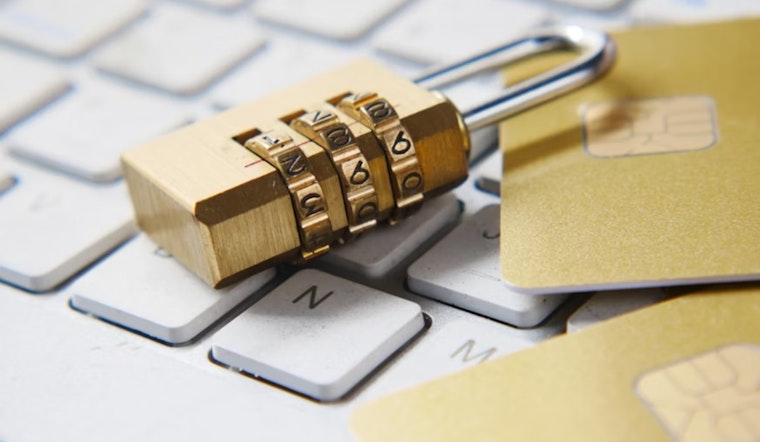
October is a time for spooky decorations and candy corn, but it's also Cybersecurity Awareness Month, and online threats are no laughing matter. The Ohio Division of Financial Institutions is taking the opportunity to remind citizens that as our reliance on digital technology grows, so does the responsibility to keep our information safe. "Digital technology plays an important and, in many ways, irreplaceable role in our daily lives; however, that means it’s our responsibility to ensure we never let our guard down to potential threats," said Division Superintendent Kevin Allard, according to a recent publication.
With nearly 860,000 complaints of suspected internet crime in 2024 and losses surpassing $16 billion, the threat landscape is indeed daunting. The Federal Trade Commission (FTC) has reported an alarming $12.5 billion lost to fraud in the same year, with social media now becoming a tool of choice for scammers. In these figures, Ohio residents play an unfortunate part, ranking 7th in the nation, with nearly 25,000 complaints last year alone. Key scams to watch out for include one-time passcode theft, investment frauds such as "pig butchering" or romance scams, and AI-driven tactics like deepfake videos and voice cloning.
The Ohio Division of Financial Institutions is proactive in illuminating common and emerging cyber threats. They caution against one-time passcode scams, where criminals hijack these security measures to breach financial accounts. Investment scams and financial institution impersonation remain prevalent as well, as scammers increasingly deploy sophisticated tricks, such as posing as bank officials to deceive the unwary into transferring their money into the hands of crooks.
Practical advice is at hand, however, with the Cybersecurity and Infrastructure Security Agency (CISA) offering straightforward tips. They are urging the public to report phishing attempts, which remain a primary vector for cyber breaches, and to maintain strong, complex passwords—a simple yet critical defense. Furthermore, enabling multifactor authentication and keeping software updated are emphasized as key strategies to thwart unauthorized access to personal and secure information.





