

























































Ohio's political tides have shifted yet again as state legislators pushed through a substantial property tax reform, overriding a gubernatorial veto in a move that has resonated through the local taxpayer community. The buckeye state's Senate voted today to enact Item #66, following the Ohio House's similar vote in July, cementing what advocates are championing as a push for levy transparency and a barrier against unplanned tax hikes.
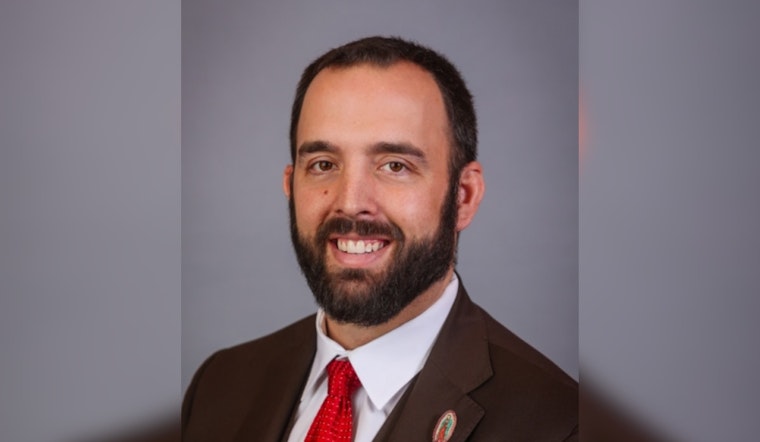
The core of the reform, which was a part of a larger budget package passed earlier this year, is a series of updates to how property levies are administered and communicated. State Representative Adam Mathews (R-Lebanon) championed this cause with his introduction of House Bill 28, which he asserts is designed to "provide needed transparency to our property tax system and protect taxpayers from unexpected tax increases," according to a statement obtained by the Ohio House of Representatives official news release. Mathews further elaborated, saying the provision "ensures taxpayers have more control over their property tax bills."
Specifically, the challenged provision targets the hitherto common replacement property tax levies – these allowed for increases that often blindsided property owners. Under the new reform, political subdivisions will lose the power to charge these new replacement levies, and certain types of emergency and substitute levies typically requested by school districts will also cease. Additionally, per the new rules, if a district's carryover balance from the prior year exceeds 100% of their general operating expenses, their hands are tied from requesting new current expense levies.
Respect for taxpayer funds is a central theme of these updates, which hinge on fiscal conservatism. This is mirrored in the reform's directive that bars school districts from placing new tax levies on the ballot if they are sitting on funds greater than their annual expenses. The Ohio House's embrace of the conference committee report for House Bill 96 in late June shored up the budget plan, which emphasized property tax relief, a flat tax rate trajectory, and a record level of state funding for school districts. However, Governor Mike DeWine's veto on June 30 chipped away at multiple facets of this plan, but the subsequent legislative riposte, as of today, secures the provision's go-ahead.
As lawmakers contend with the ongoing dialogue around fiscal policy and education funding, residents of Ohio are left to grapple with the implications of these tax reforms. The united front shown by the Ohio legislature in overriding the governor’s recommendations signals a commitment to the changes they anticipate will unfold as a result of their landmark decision.





