

























































In Cincinnati, the contentious struggle over Ohio's congressional districts continues as the Ohio Redistricting Commission concluded its initial session without hearing the voices of the public or considering an alternative map, edging closer to a partisan deadlock and the prospect of a 13-2 map favoring one party. The Commission's first meeting, which took place recently, was a critical step towards developing a bipartisan redistricting plan; however, it ended without progress towards this aim or public input, a move that could have implications on the state's political landscape and echo the ongoing federal government shutdown in its lack of responsiveness and representation.
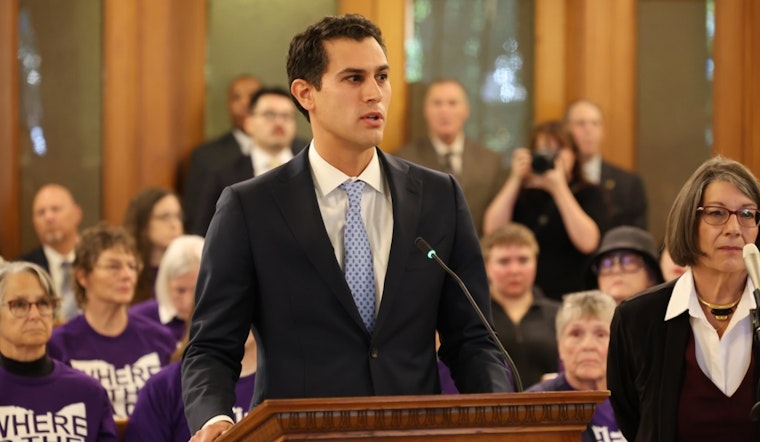
During the commission meeting, Ohio House Minority Leader Dani Isaacsohn put forth testimony on behalf of House Bill (HB) 442, emphasizing the urgent need for a map that both sides of the aisle could get behind, especially in light of current federal shutdown repercussions affecting healthcare, children's food security, and the broader socio-economic climate, and portraying a sense of immediacy for a resolution, "The ongoing federal government shutdown makes clear how critical responsive, accountable congressional representation is for affordable healthcare, for food for children, and for stability needed for safety and economic growth," Isaacsohn stated, as reported by The Ohio House of Representatives. The Democratic proposal embodied in HB 442 invokes the amendment passed in 2018, mandating a fair and constitutional process for drawing districts, and is grounded in a decade of election data suggesting Ohio is roughly 55 percent Republican and 45 percent Democratic.
The clock is ticking for the bipartisan body as the state-imposed deadline of October 31 looms, by which the Commission must pass a map requiring an affirmative vote by at least four out of seven members, including both Democrats represented on the panel, but as of their most recent meeting, they have yet to even schedule a second hearing let alone come to a consensus. The potential for a partisan-passed map becomes a stark possibility should the Commission fail to agree on a map, as the responsibility then shifts back to the legislature, where a simple majority could enforce a map heavily skewed in favor of the Republicans by November 30, even without bipartisan support - a scenario that the public is watching with a critical eye and heightened concern.
As the Commission's next steps are uncertain, it seems that partisan strategies may be at play, with Republicans stalling the redistricting process, a tactic that may lead to imposing a 13-2 map that does not reflect the electoral balance of the state, circumventing the very framework Ohioans voted for that was meant to foster fair representation across the political spectrum. Such maneuvers highlight the ongoing tussle between partisan interests and the push for electoral maps that reflect the will of Ohio's electorate, a struggle that is illustrative of broader national conflicts over gerrymandering and the role of public input in shaping our democracy.




