

























































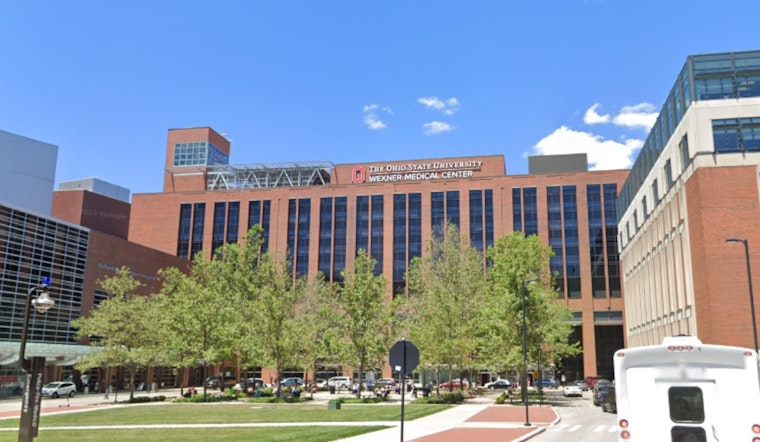
In a notable initiative targeting the nationwide issue of suicide, The Ohio State University Wexner Medical Center and College of Medicine are set to swiftly launch an expansive study, following a substantial $19.5 million grant awarded by the National Institutes of Health (NIH). Research has underscored a grim reality—nearly half of individuals who die by suicide had sought the counsel of a health care provider just weeks before their demise. However, the current suicide screening practices within these health care settings routinely fail to accurately detect those at risk. To confront this challenge, the study, coined ARTEMIS (Analyses to Reveal Trajectories and Early Markers of Imminent Shifts in Suicidal States), will mobilize come January, recruiting around 13,500 participants nationwide, with a significant portion—about 4,000—hailing from Ohio, Michigan, and Indiana. These participants include individuals within the ages of 18 and 55, a deliberate spectrum to encompass varying levels of suicide risk.
According to an announcement by the university, the ARTEMIS study will focus on observing participants, particularly 4,200 higher-risk individuals identified based on recent visits to health care providers. This segment will represent a diversity of moderate to high suicide risk groups. The intention here is to better understand which individuals will or will not progress to presenting suicide risk following a consultation with a doctor. This approach isn't just academic—it's about saving lives.
"We aim to understand how people experience suicide risk and manage challenges," Ohio State cognitive neuroscientist Jessica Turner, PhD, conveyed in a statement, revealing an expectation to leverage artificial intelligence and dynamical systems modeling to improve risk prediction. "By applying dynamical systems modeling and AI, we hope to analyze this data and predict when individuals may be most at risk for a suicide attempt," Turner added, emphasizing the focus of the study on gaining an insightful understanding of both who and when some might make a suicide attempt.
The study isn't operating in isolation but is, instead, a part of a broader push that includes efforts from a team with great expertise in predictive modeling, cognitive assessment, and digital phenotyping. Melanie Bozzay, PhD, an expert on suicide and digital phenotyping, part of the ARTEMIS team, highlighted the impact of this study, assuring that it "will revolutionize the strategies we have available for clinicians to detect urgent suicidal crises." The team's collective goal: to aid health care providers by enhancing timely intervention, particularly for those in imminent need.
Fostering an integrated approach, the ARTEMIS initiative also stands on the pillars of previous endeavors such as the State of Ohio Adversity and Resilience (SOAR) study, which sought to address the roots of persistent emotional distress and the epidemic of suicide and drug overdose. With initial funding of $20 million from the Ohio Department of Mental Health and Addiction Services, the SOAR study set a precedent for the type of in-depth, longitudinal research ARTEMIS aims to continue and expand upon.
Reflecting on the continuous effort to delve deeper into mental health challenges, K. Luan Phan, MD, chair of psychiatry and behavioral health at Ohio State, affirmed the ARTEMIS study benefits from the Ohio State team’s experience in large-scale recruitment and longitudinal assessment. The comprehensive endeavor showcases a blend of previous learnings, cutting-edge techniques, and a strong drive to measure, understand, and ultimately intercept the path that can lead to suicide. The shared anticipation is that this will not be the last of NIH grants that build upon the robust SOAR infrastructure, as Ohio State propels forward with solutions that could indeed save lives.





