

























































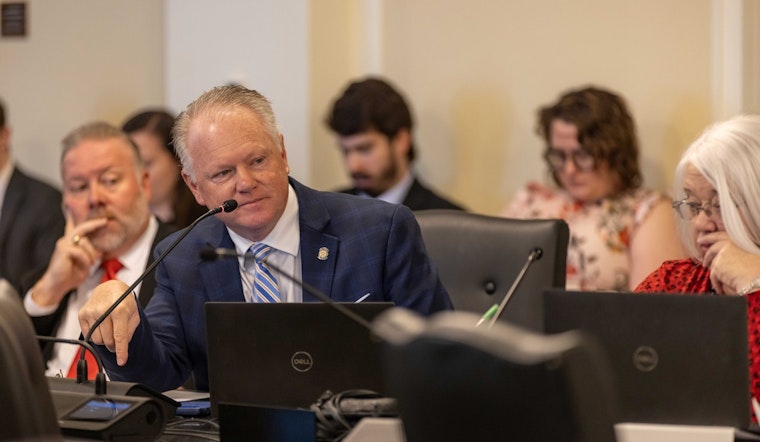
Oklahoma lawmakers are delving into the intricacies of health care reform as they scrutinize HR1, dubbed the Big Beautiful Bill, and its ramifications on the state's Medicaid and health care systems. Rep. Mark Chapman, R-Broken Arrow, took the lead on an interim study aimed at dissecting the potential impacts of the bill, according to a report provided by the Oklahoma House of Representatives. In a collaborative effort with Reps. Preston Stinson, R-Edmond, and Mark Tedford, R-Jenks, the study brought forth diverse insights from the state's health care professionals and administrators.
The panel of experts who contributed their analyses included Christina Foss, assistant director of the Oklahoma Health Care Authority, Scott Tohlen and Maggie Martin from the Oklahoma Hospital Association, Haley Falkenberry with SoonerSelect, and Dr. Tracy Hoos, a pediatrician from Muskogee, all of whom shared their respective concerns over how federal changes could touch access to care, provider reimbursements and the overall stability of Oklahoma's health care network. Chapman's initiative to host this interim study wasn't only about parsing through numbers and projections, it was a concerted effort to understand how these seismic shifts in federal policy might affect Oklahomans at the individual and community level and that was the critical component Chapman sought to unravel, for the well-being of the state's vulnerable populations relies on such proactive gatherings of knowledge and strategy.
"It’s apparent that Oklahoma has some dependence on the federal government’s participation in paying for health care, and it’s important to know how that impacts our state budget and the delivery of health care services and outcomes," Chapman told the Oklahoma House of Representatives. The study serves as a forerunner to the state legislature's upcoming session and establishes a blueprint for dealing with the changes that HR1 could usher in.
Acknowledging the complexity and potential difficulties in integrating new federal policies, Chapman emphasized the continued commitment to stay vigilant over the following six to 12 months working alongside the federal delegation; this approach aims to uphold and enhance the health care delivery systems in Oklahoma, ensuring not just a smooth transition but also an augmentation of the services provided to all Oklahomans. In his statement, Chapman assured, "Our goal is to closely work with the federal delegation and stay ahead of the game so that we can deliver improved health care to Oklahoma and not experience anything that abruptly affects our state budget," as mentioned on the Oklahoma House of Representatives.





