

























































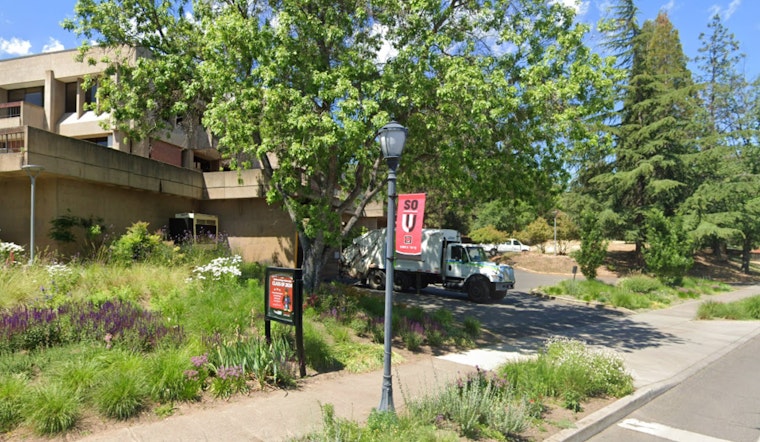
The Environmental Quality Commission (EQC), the decision-making arm of the Oregon Department of Environmental Quality, has taken steps to bring clarity and modernization to the world of septic rules, particularly concerning accessory dwelling units (ADUs). During a September meeting at Southern Oregon University in Ashland, the EQC resolved to update rules that hadn't seen major changes since 2014. The unanimous decision, reflected in a 3-0 vote, will usher in these changes without increased fees to the public.
These changes come from legislative dictates – senate bills 835 and 931 - looking to address the tie between ADUs, a increasingly common feature of Oregon housing, and the availability of proper sewage systems. Starting Jan. 1, 2026, new variance processes will be in place, alongside considerations for nutrient and nitrate loading that promise to fortify public health and environmental protections. In updating these rules, an effort was been made to streamline the language to align with current industry standards and remove outdated terms.
Recognizing the importance of such updates, the DEQ stresses that these changes come without additional financial strain to Oregonians. According to materials presented to the Commission, which can be viewed on the DEQ website, the focus remains fixed on the operation and maintenance requirements for septic systems, crucial aspects of rural and suburban infrastructure that often go unnoticed until problems emerge.
For those interested in staying abreast of the developments regarding Oregon's onsite sewage systems, the DEQ has recommended that citizens sign up for updates via an email list managed through GovDelivery. These updates promise to deliver important insights directly to those impacted by the newly adopted rules, and ensure that stakeholders are informed throughout the transition process. Public engagement and information dissemination are key as the EQC looks to implement rules that strike a balance between progress and protection.



