

























































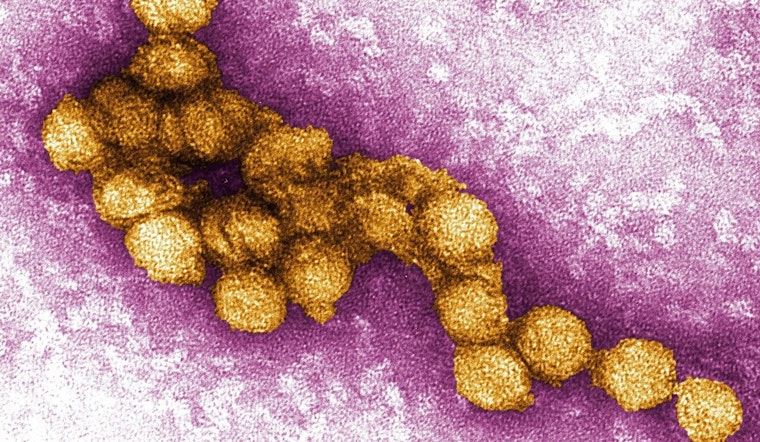
Pasadena residents are on alert after the city's public health department reported the first human case of West Nile virus for 2025. In the city's fight against the leading cause of mosquito-borne disease in the contiguous United States, health officials are urging everyone to engage in preventative measures. According to NBC Los Angeles, the case was confirmed last Thursday with the patient's details and condition remaining undisclosed.
While the Centers for Disease Control and Prevention (CDC) notes that most infected individuals won't feel sick or present symptoms, the disease is not to be written off. When the symptoms—ranging from fever and headaches to more severe neurological effects—do appear, they can be severe. Despite the peak mosquito season running from June through October, the confirmation of this case comes as a stark reminder of the pervading risks. With over 1,300 severe illnesses and around 130 deaths reported each year as highlighted by NBC Los Angeles, the potential for West Nile virus to impact the central nervous system is a serious concern.
Dr. Parveen Kaur, acting Pasadena Health Officer, stressed the reality that there is currently no vaccine or cure for West Nile virus in humans. As stated by the Pasadena Public Health Department, preventative actions are crucial in reducing infection risks. These actions include eliminating standing water, ensuring window and door screens are intact, wearing appropriate clothing, and the use of insect repellents containing recommended active ingredients like DEET or Picaridin.
Manuel Carmona, Director of Public Health, urged the community's active involvement in reducing the threat by following the prevention guidelines. Recognizing that the best protection is preventing mosquito bites altogether, public health measures are being reinforced. According to a report by KTLA, Pasadena is not alone in coping with the virus this year, as cases have emerged in various parts of L.A. County, including the Antelope Valley, San Fernando Valley, and central Los Angeles.
This recent case underscores the ongoing vigilance required by both public health officials and residents alike to combat the spread of West Nile virus and maintain community well-being. The collaboration between PPHD and the San Gabriel Valley Mosquito & Vector Control District, doing routine inspections and treatments, signifies the broader, continuing efforts to safeguard public spaces and curb the breeding of disease-carrying mosquitoes.





