

























































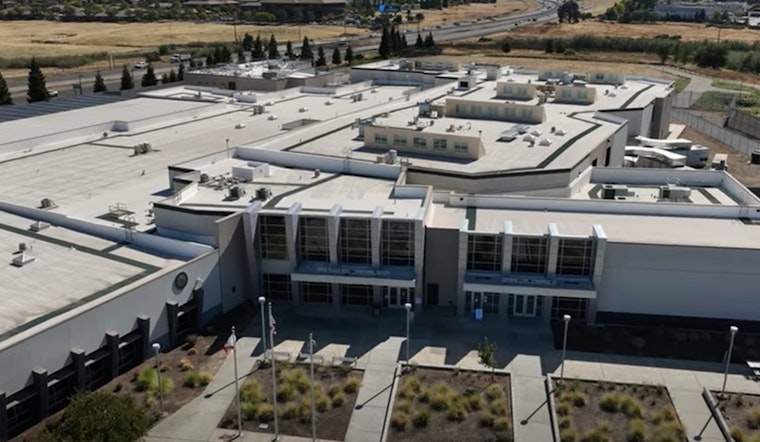
The Placer County Sheriff's Office unveiled two new facilities at the South Placer Jail, aiming to reform the way the correctional system handles mental health and vocational training. According to an announcement on their Facebook page, the sheriff's office opened a 16,300-square-foot Mental Health Facility and a 39,000-square-foot Vocational Training Facility. The expansion is designed to provide more comprehensive treatment services and create a pathway for inmates to gain employment skills, to decrease recidivism rates.
The Mental Health Facility includes individual cells, dayrooms, recreation yards, as well as counseling and interview rooms to accommodate individuals who require acute mental health treatment, specifically those deemed incompetent to stand trial. Connected by a secure corridor to the main jail, this facility constitutes a significant stride toward addressing mental health needs within the inmate population. "Today’s ribbon cutting is not just about new buildings, it’s about strengthening our criminal justice system by creating greater opportunities for treatment and rehabilitation," Sheriff Wayne Woo stated during the opening ceremony, as stated in the Placer County Sheriff's Office.
Additionally, the Vocational Training Facility offers 120 beds and features dayrooms, outdoor recreation areas, and classrooms. Inmates will have access to various job training workshops meant to equip them with employment skills necessary for life post-incarceration. The new buildings also include spaces for both in-person and video visitation, reinforcing connections between inmates and their communities.
According to the Placer County Sheriff's Office, speaking about the project's larger implications, District 1 Supervisor Bonnie Gore mentioned, "This project reflects Placer County’s commitment to investing wisely in solutions that deliver long-term value for our residents." The multi-purpose facilities aim not just to house inmates, but also to enhance public safety by reducing potential future costs associated with incarceration. Following the ribbon-cutting event, attendees took guided tours of the facilities to witness firsthand the services set to be provided.





