

























































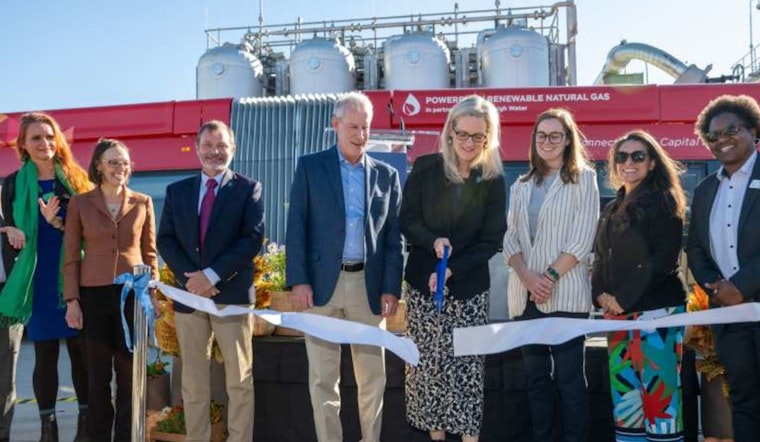
In Raleigh, North Carolina, innovation is not just a buzzword but a concrete reality, with the city taking a leap forward in sustainable public transportation. A recent gathering at the Neuse River Resource Recovery Center saw the initiation of the Bioenergy Recovery Project, a forward-thinking initiative designed to transform the city's waste into a clean fuel source for its buses. As reported by the City of Raleigh, the city's wastewater will now double as a renewable natural gas (RNG) to power GoRaleigh buses, positioning Raleigh as the first in North Carolina to adopt this eco-friendly approach.
Generating RNG from wastewater is no minor accomplishment, the Neuse River Resource Recovery Facility handles some 50 million gallons of wastewater daily, and its new technology is repurposing that waste stream to fuel over 70 buses, the conversion process also slashes the production of biosolids and yields a beneficial soil conditioner. As Raleigh Water Director Whit Wheeler put it, "This project proves that we don’t have to choose between protecting our planet and operating efficiently," a note of optimism and determination echoed during the ribbon-cutting ceremony underscored by the innovative nature of this project in blending environmental stewardship with municipal service, as per the City of Raleigh.
Aligning with Raleigh's broader environmental aims, the Bioenergy Recovery Project is a strategic move to support the city's ambitious goal to cut greenhouse gas emissions by a significant 80 percent come the year 2050. This isn't a sudden breakthrough but rather the culmination of over ten years of collaborative efforts involving key partners such as Raleigh Water, GoRaleigh, and the Office of Sustainability, and this dedication to partnership and sustainability is setting a precedent for environmental action and municipal responsibility.
The practical effects of Raleigh's project cannot be overstated, as each RNG-powered bus rolls through the city streets, it stands as a testament to what can be achieved when city departments unite behind a shared vision for a greener future; as Raleigh Water Director Whit Wheeler characterized the initiative, "We’re taking something that used to be waste and turning it into clean energy that will fuel our city for years to come," as mentioned on the City of Raleigh website.


