

























































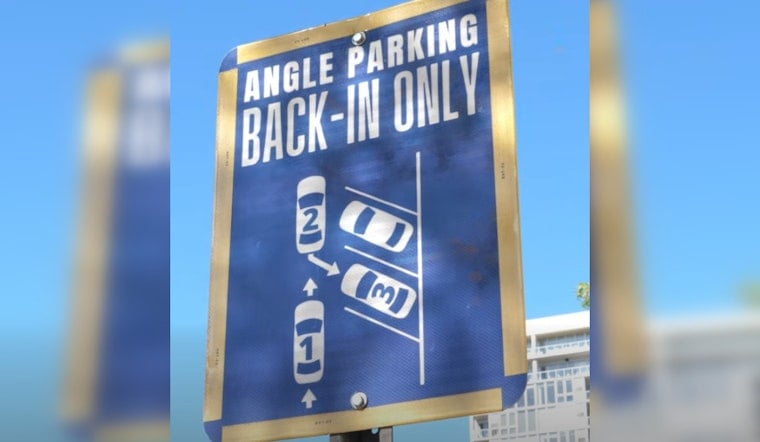
Changes in downtown Royal Oak’s parking system are in motion, aiming to resolve longstanding complaints from residents and visitors alike. As reported by WXYZ, the back-in parking on Washington Avenue—a source of much frustration—is being replaced this week with traditional angled pull-in spaces.
City Manager Joe Gacioch framed this adjustment as the beginning of a broader overhaul of the downtown parking experience, stating, "This is the first step in a long journey to transform the downtown parking system." The initiative to ditch the back-in system, in place since 2021, comes after complaints about its inconvenience and potential hazards. "I am really excited. I found the back-in [parking] super frustrating," April Boyle, a Royal Oak resident, told WXYZ in a statement. Meanwhile, starting this week, the new pull-in parking on Washington Avenue will be free until January 2.
Further details were provided by FOX 2 Detroit, explaining that the city is not only revising its parking layout but also transitioning away from the automated Sentry Mobile meters that relied on the awkward backing maneuver. The new system is slated for a January 2, 2026, debut, featuring user-friendly Flowbird meters and the ParkMobile app, the same platform used in bordering cities.
Residents and local business owners have openly expressed their relief and optimism about the change. Drake Butcher, from UHF Records, voiced his anticipation to WXYZ, "That's one thing I hope that these new spaces will sort of improve on is that more people will feel free and walk in through the front door." There is hope that eliminating the back-in requirement will lessen congestion and improve the overall downtown experience.
The transition is also depicted by ClickonDetroit as a move towards simplification. "Parking will be fast and easy, which is exactly as it should be," Gacioch was quoted. Until the paid system takes effect in early January, downtown Royal Oak is welcoming drivers with open arms and free parking, as meters will be covered to indicate the no-charge zones.





