

























































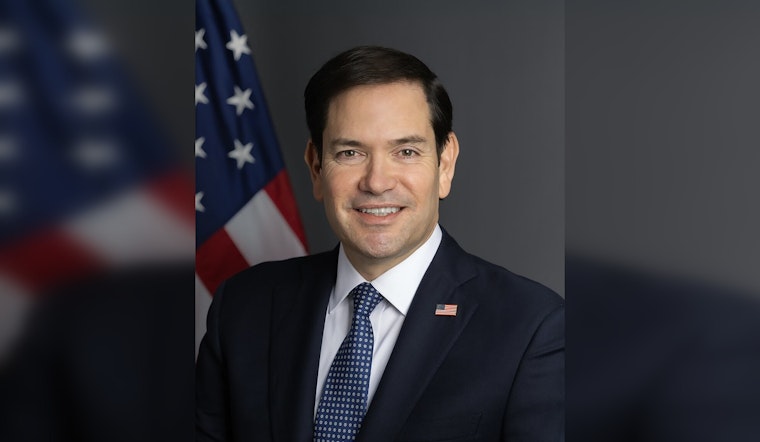
Amid the ongoing turmoil in the Middle East, Secretary of State Marco Rubio has been actively engaged in discussions regarding the delicate peace negotiations and the potential end of the war in Gaza. In a recent appearance on NBC's Meet the Press, Rubio outlined the complex nature of the current situation and the steps being taken toward achieving peace.
In the midst of working to ensure the safe release of hostages, Rubio delineated the two-phased approach necessary for progress. He stressed the immediate priority of coordinating the logistics surrounding the release of all 48 hostages, emphasizing that “there’s some work that remains to be done,” as securing meetings are already taking place to finalize the details of this sensitive exchange, according to the U.S. Department of State. Despite the urgency, cautioning that both living and deceased hostages' return hinges on meticulous planning and the establishment of safe conditions, Rubio expressed the efforts being made, “that work is happening even as I speak to you this very moment,” as cited by the U.S. Department of State.
The task at hand, as Secretary Rubio suggested, goes far beyond a single transaction. He talked about the “long-term piece” — a future beyond the immediate ceasefire, where the establishment of a Palestinian technocracy could lead Gaza, as opposed to Hamas, is imperatively more challenging but critical for enduring peace. The disarmament of terrorist groups and their demobilization were highlighted as paramount concerns, with Rubio stating, “without that you’re not going to have lasting peace,” according to the U.S. Department of State.
Significant international support bolsters the ongoing negotiations. Rubio placed confidence in the collective backing by various nations and entities: “Let’s remember it has the strong support of the UAE, of Qatar, of Egypt, of Saudi Arabia, of the Turks, Indonesia, all these others,” indicating a broader consensus to propel the peace proposal forward, as reported by the U.S. Department of State. The multifaceted nature of this endeavor's success, however, rests squarely on the swiftness in securing the hostages' safety and Israel's strategic withdrawal from Gaza.
According to the interview with NBC, Rubio highlighted President Trump's peace proposal, which garnered a response from Hamas that could be interpreted as an agreement to the proposed framework, albeit without a commitment to disarmament. In a nuanced approach, avoiding direct answers, Rubio acknowledged the complexity underlying the prospect of Palestinian statehood. Even as he fielded pointed questions on this subject, he insisted on a focus on the process rather than a straightforward position, stating, “That’s not a yes-or-no question; that’s a process,” as referenced by the U.S. Department of State.
The regional quagmire, with its history of blood and enmity, continues to demand a careful and measured approach. The discussions and actions in the coming days will be pivotal in determining the viability of the current peace proposal. As Rubio concluded, achieving peace in a region scarred by decades of conflict is admittedly an uphill battle: “No one said this is going to be easy,” according to the U.S. Department of State, but it's a battle the current administration and supporting allies seem intent on addressing head-on.





