

























































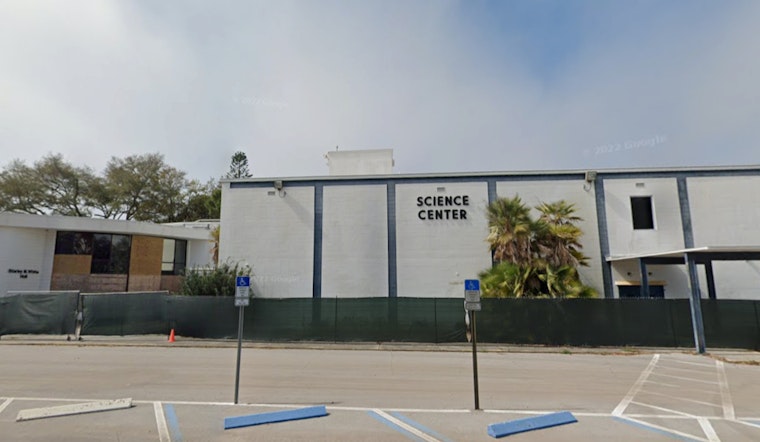
After a staunch backlash from the St. Petersburg City Council, and community members alike, Mayor Ken Welch has decided to proceed with the development of the St. Petersburg Science Center, shelving previous plans to repurpose the site for wastewater facilities expansion. The U-turn comes after it was revealed that the city council unanimously requested the mayor to revisit the decision and search for alternative solutions to the city's stormwater capacity issues.
The deal was initially halted due to concerns over the infrastructure's resilience, especially following Hurricanes Milton and Helene, which exposed significant vulnerabilities. "I am the only mayor in St. Pete’s history who’s had to tell our citizens not to do laundry, not to flush the toilets. We had to shut down two sewer plants last year," Welch said in a statement obtained by WFLA. However, the reconsideration of the Science Center's future reflects a shift towards a compromise, that seeks to address infrastructure upgrades while fostering educational and community growth.
According to a FOX 13 interview, Joe Hamilton, co-founder of St. Pete Foundation, expressed relief that the Science Center's revival is now back on course. The restoration plan includes various state-of-the-art features such as an AI hub, a planetarium, and community gardens. The project, which has been in the works for over four years, already boasts $16 million raised beside a $7 million commitment from state funding.
In a memo to the city council, Welch shared his personal connection to the Science Center, recounting his experiences as a student visiting the facility. "Like you, I spent many days at the former Science Center as a grade-school student. I understand the emotional tie, even though the old building is not part of the planned future development," Welch wrote, according to a memo obtained by the Catalyst. He acknowledged the public works department's need to increase the Northwest Water Reclamation Facility's capacity but noted the high cost of alternative site acquisition while until now, the option to develop the Science Center location seemed most cost-effective. Despite this, the consensus was to support the potentially higher-cost plans, which may include relocating a brush site to make way for the Science Center's progress.
The transformation of the historic Science Center site will not only preserve the iconic Space Shuttle-adorned rotunda but also revitalize the area known as White’s Gardens. "City Council’s thoughtful discussions illuminated both the immediate and long-term value of STEAM education right in our backyard," Hamilton told Catalyst. Groundbreaking for the revitalized Science Center could happen this year.



