

























































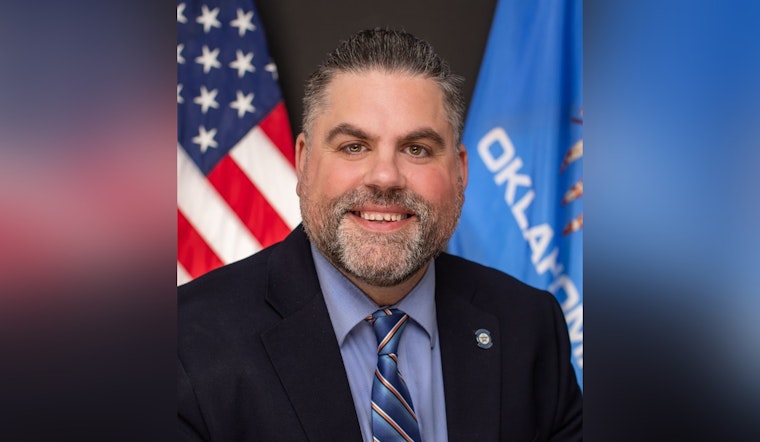
State Representative Jacob Rosecrants led a candid discussion on mental health and managed care, aimed at refining Oklahoma's healthcare strategies for the less privileged. The study, conducted before the Appropriations and Budget Health Subcommittee, offered a stage for experts and stakeholders to identify and hammer out the challenges and successes of the SoonerSelect managed care program since its launch in April 2024. According to data revealed during the session, SoonerSelect encompasses 56% of Oklahoma’s Medicaid recipients, totaling about 583,000 individuals under its managed care plan.
In a move to ensure that legislative steps are taken with a corrective lens rather than accusatory fingers, Rosecrants, a Democrat from Norman, conveyed his ongoing concerns about the program, particularly regarding mental health services. In a study reported by the Oklahoma House, he stated, "Although I opposed the push for managed care when it came to us in the legislature, and while I still have strong reservations about managed care after the first year of implementation, especially in the mental health sector, this study is not about pointing fingers." His approach emphasized listening and constructive action to ensure managed care effectively coordinates and grants stable, improved access to care for both healthcare providers and patients.
The study, setting its roots in a brief on Managed Care's origins, was enriched by insights from field professionals. They included perspectives from Audra Deckard of Myriad Counseling Solutions, LLC, Robert VanZant, LCSW-P, Dr. Randy Randleman from Eufaula Lake Family Development Center, Dr. Mary Ann Shepherd with OPTC Yukon Behavioral & Diagnostic Center, along with voices from Christina Foss and Haley Faulkenberry of the Oklahoma Association of Health Plans.
Discussions pivoted around actionable remedies like the boosting of provider participation in insurance networks, heightening the awareness of parity rights for SoonerSelect enrollees, and crucially, the broadening of doors to mental health and substance abuse services. Rosecrants, concerned about the managed care's first-year review, especially in the mental health sector, was insistent on a proactive seek for solutions rather than indulging in blame games. "It's about listening, identifying what's working and what isn't, and finding constructive ways to ensure managed care actually fulfills the promise of better coordination, improved access, and more stability for providers and the patients they serve," he urged, as reported by the Oklahoma House.





