

























































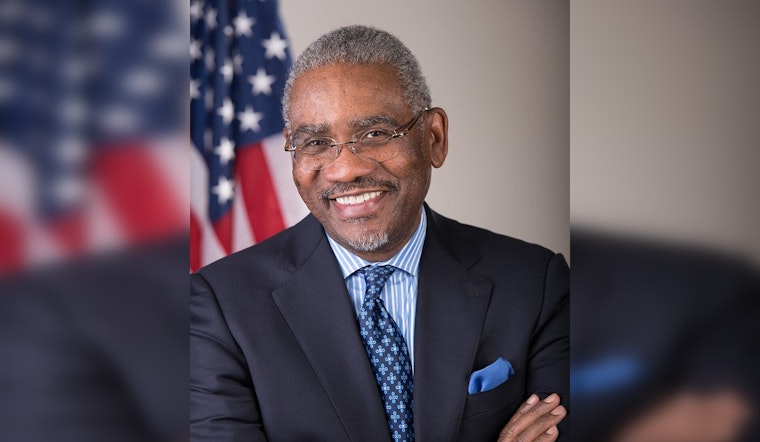
As Tanzania's electoral event rapidly approaches, concerns are being amplified by U.S. Representative Gregory W. Meeks over the state of democracy and human rights in the East African nation. In a recent statement, Meeks criticized the Tanzanian government for a series of disturbing trends, including the suppression of civic engagement, enforced disappearances of government critics, and persecution of political rivals, with these assertions rooted in reports from various human rights organizations. Meeks, who serves as the Ranking Member of the House Foreign Affairs Committee, urged the Tanzanian authorities to uphold the principles of transparency, freedom of expression, and peaceful association.
With the October 29th elections looming, Meeks highlighted the necessity for Tanzania to align its practices with democratic norms, referring to instances of "extrajudicial killings documented by human rights groups" and calling for the government to "provide full transparency regarding arrested individuals," according to a statement from House Foreign Affairs Committee Democrats. The specific incidents of high-profile disappearances of anti-corruption voices keenly draw attention, and Meeks pressed for thorough investigations into these cases.
At the crux of his statement, Meeks reiterates the fundamental right of Tanzanians to participate in a fair and free democratic process. Asserting this, he said, "Tanzanians want to chart a path to a brighter future, and all parties have critical roles to play in ensuring that these elections reflect the will of the people." Such sentiment underscores the international community's investment in democratic integrity beyond its borders and the eagerness for Tanzanian governance to adhere to globally recognized human rights standards.
Focused on the upcoming election, Meeks' comments join a chorus of international voices calling for credible and legitimate electoral processes in Tanzania. However, without significant measures taken to address the existing concerns raised by Meeks, doubts linger about the readiness of Tanzania's political landscape to enable a true reflection of the will of its people; the Tanzanian government's next steps prove critical as the election date inches closer, setting the stage for what might either be a turning point for democracy or a reinforcement of the status quo in a state grappling with the crucial aspects of human rights and governance.





.jpg)