

























































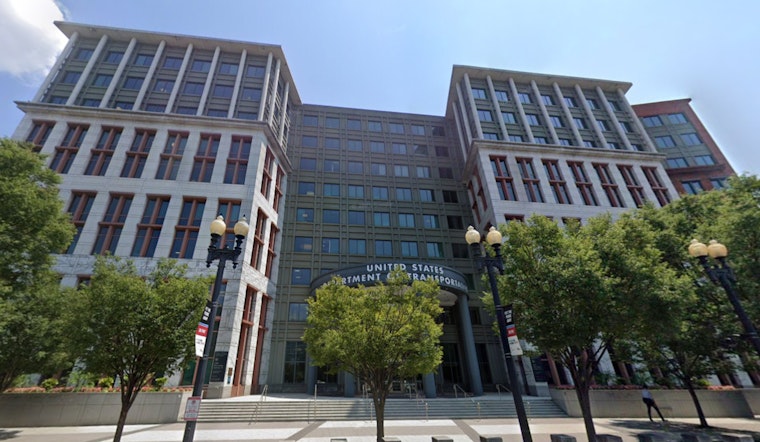
In a decisive move that underscores the federal government’s commitment to public safety, U.S. Transportation Secretary Sean P. Duffy has issued an emergency order for the Southeastern Pennsylvania Transportation Authority (SEPTA) in the wake of a series of fires onboard its commuter trains. The Federal Railroad Administration (FRA), directed by Secretary Duffy, has mandated that SEPTA undertake sweeping measures to preclude the risk of future fires and malfunctions across its transit system, as reported by the U.S. Department of Transportation.
"At my direction, FRA is taking swift and immediate action to ensure the safety of all passengers and transit workers on SEPTA. This includes deploying our team of experts to SEPTA’s trains, repair shops, and dispatch center to ensure thorough safety precautions are being implemented," announced Secretary Duffy. Following incidents that pointed to growing risks on the busy commuter rail line, Duffy added on the U.S. Department of Transportation, "Recent fires and ongoing mechanical problems are unacceptable for such a critical rail line. Under President Trump, we will always put the safety of the American people first. SEPTA must take action to correct these persistent dangers." Citing five separate fires this year, the FRA's emergency order lays out a series of remedial actions that SEPTA must begin within seven days.
Key requirements include the development of a plan to ascertain the causes of the 2025 incidents, a thorough inspection of each Silverliner IV EMU in SEPTA's fleet for potential safety lapses, and a review, with required updates, to its inspection, testing, and maintenance (ITM) strategies. SEPTA is also tasked with updating its operational protocols and training to better detect and address mechanical failures that might lead to similar emergencies in the future. In addition, employees must report any irregular vehicle behavior immediately, and the transit authority will need to conduct audits of completed repair and maintenance work. The comprehensive initiatives aim to not only unravel the threads of recent mechanical failures but to weave a tapestry of preventative measures, ensuring such events become relics of the past.
Within 30 days, SEPTA has several more hurdles to clear according to the emergency order. It must complete all actions under the approved inspection schedule, install thermal protection circuits in critical locations, document all inspections and repairs, review and, as necessary, revise technical documents related to part lists and procedures, and update training requirements to address any deficiencies uncovered by the order’s mandates. A failure on SEPTA's part to align with these expectations could lead to heightened federal scrutiny.
The imposition of these requirements is not merely a bureaucratic maneuver but a critical intervention by the FRA and Secretary Duffy’s office. It is a move aimed at restoring faith in a rail network that shuttles millions of Philadelphians to their destinations. With quick compliance, SEPTA has the opportunity to turn a corner, ensuring that the safety of passengers and employees is not just a promise delivered from the government's podium, but a living, breathing reality on the city's rail lines.





