

























































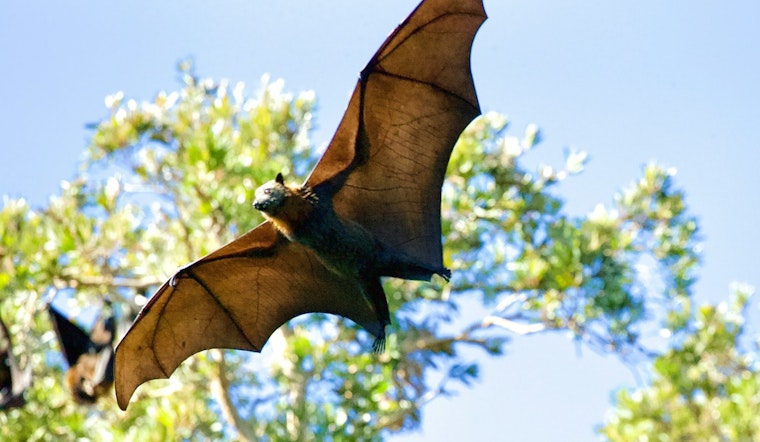
As International Bat Week flutters near, the Wisconsin Department of Natural Resources (DNR) swoops in with a call to action for residents: it's time to step up and champion our night-flying pals from Oct. 24-31. According to a press release from the DNR, Wisconsinites are encouraged to attend statewide educational events or roll up their sleeves to support bat conservation, as these creatures play a pivotal role in maintaining healthy ecosystems and crop protection, munching down on swarms of agricultural pests.
While some may not see past their eerie, nocturnal nature, bats, particularly in Wisconsin, are teetering on the brink; with four of the state's eight species currently threatened and one, the silver-haired bat, flagged for special concern, echoing a nation-wide challenge as bats face the harrowing impacts of white-nose syndrome—a chilling fungal disease responsible for decimating populations during their vulnerable hibernation period, yet amid the gloomy narrative of decline there's a tale of resilience emerging, especially for the little brown bat which, after years of battling the affliction, has shown signs of a rebound in numbers, clinging to survival in the former mining hubs that now serve as critical sanctuaries, revealed in a statement by Jennifer Redell, DNR conservation biologist and bat program specialist.
Underneath this hopeful veneer, however, Redell points out the stark reality: "Despite the recent glimmers of population recovery in little brown bats, there's still a long way to go" - confirming that hibernating bats continue to grapple with white-nose syndrome each winter and implying that other species like the tricolored bat and northern long-eared bat are yet to demonstrate similar sparks of recovery. In response to this ongoing crisis, the DNR has unveiled a robust schedule of 46 bat-centric events peppered across 29 counties, with additional events expected to be added. Thriving educational sessions range from exploring bat habitats at Yellowstone Lake State Park to a nocturnal walk with the University of Wisconsin Bat Brigade.
For those looking to make a more hands-on contribution, the DNR suggests actions such as building bat houses or growing native plants and ditching insecticides and herbicides that indirectly harm these vital pollinators, likewise, if you've got bats bunking in your belfry the guidance is to exclude them humanely; if your interest in bat welfare goes beyond your backyard, opportunities abound to volunteer for the Wisconsin Bat Program or support the cause through donations, which are crucial for safeguarding the habitats of these imperiled species. Up-to-date bat event details and how to get involved with bat conservation can be found on the Wisconsin DNR's website.



