

























































As the leaves turn and the temperature drops, the green thumbs among us start to get the itch to prep their gardens for the cooler months ahead. But creating that lush backyard oasis doesn't mean you have to drain your wallet. Wendy Pappas, Urban Forestry Land Manager, recently spilled the seeds on how to keep those garden goals alive while pinching pennies. Arlington's Parks, Recreation & Culture Department is sharing tips on budget-friendly gardening that might just be the fertilizer you need for your fiscal garden plans.
Wendy Pappas, who apparently knows a thing or two about planning and budgeting, suggests that gardeners "set clear goals for which spaces you'd like to fill and which plants you aim to buy." Falling into the trap of buying plants ill-suited for the available space is easy, said Pappas, who emphasized the importance of doing due diligence. After having researched the local hardiness zones, soil types, and plant requirements, you can bet your bottom dollar, you won't be throwing away cash on non-viable varietals.
Strategic shopping is key. Spring may be synonymous with planting, but Pappas points out that nurseries often slash prices on trees and shrubs in the fall. "Trees and shrubs should be planted in the fall or winter," she told Arlington's Parks, Recreation & Culture Department, highlighting that this is when they "have time to establish strong roots before the hot summer." The implication? Bypass the spring frenzy and plant during the chillier months for both healthier plants and heftier savings.
Never underestimate the clearance aisle. Pappas revealed that you could revitalize plants with minor imperfections at a fraction of the cost—a fact budget-conscious gardeners should keep in their back pockets. These "less ideal" plants often end up heavily discounted, waiting for someone with a little extra TLC to give. "After a week or so, you could have a perfectly perked-up plant," according to Pappas' wisdom, which would say goodbye to overpriced flora in this way.
The argument for starting small shouldn't be overlooked, either. While everyone dreams of an instantly lush garden, Pappas makes a compelling case for smaller plants, which adapt quickly and require less fuss, hence saving you "both money and time." Eventually, these babies will catch up in size to their more mature counterparts, rewarding the patient gardener with a lush look for less.
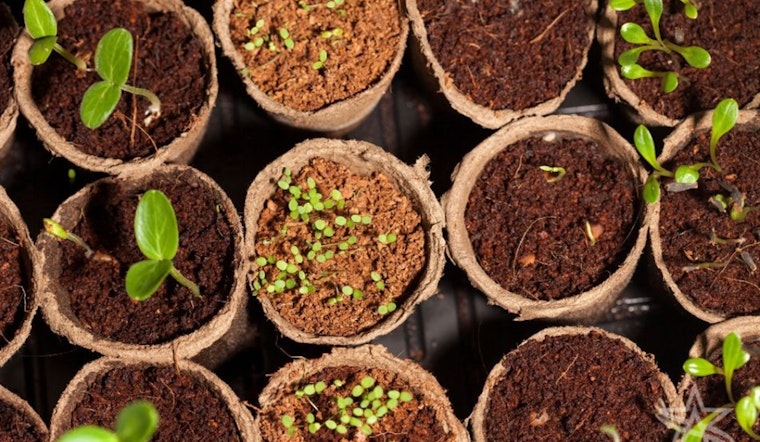
Last but not least, let's talk seeds. Think long-term and start from scratch with seeds, particularly if you're into vegetables or herbs. "You can plant seeds for many types of flowers as well and achieve great results," Pappas notes, driving home that not only are seeds cheaper, but they also promise recurrence if you play your cards right with perennials like zinnias.





