

























































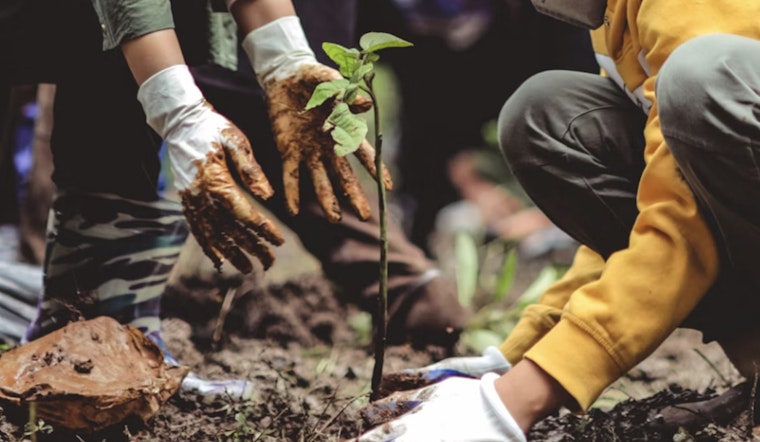
Backyards on Oʻahu’s Waimānalo and Waiʻanae coasts are getting a serious upgrade this season, as Grow Good Hawaii rolls out a plan to turn home lots into mini food forests. The nonprofit is putting roughly 2,000 fruit, shade and native trees into the hands of local families, bundled with irrigation gear, training, peer mentors and a neighborhood trading system so extra fruit and seedlings stay in the community instead of going to waste. Organizers say the real win is trees that survive and produce for years, not just eye-catching planting numbers.
How the Trees For People project works
The Trees for People initiative is backed by a five-year, $5 million award from the USDA Forest Service and is centered on backyard agroforestry in underserved Waimānalo and Waiʻanae neighborhoods, according to Grow Good Hawaii. The group plans to distribute about 2,000 mostly fruit trees along with understory plants and to equip households with "Backyard Agroforestry Blueprints," timed drip irrigation systems and scheduled maintenance support, with a goal of keeping at least 70 percent of the trees alive. The program also includes community learning gardens and a workforce track to train interns and agroforestry assistants.
Agroforestry, monitoring and community trade
The effort links into a meaʻai trading platform that lets neighbors swap extra produce, seedlings, and tools, a feature described by Hawaiʻi Sea Grant. Program leaders say a mix of monitoring and peer exchange is meant to boost long-term yields and cut down on waste.
Local reach, nursery and demand
To meet demand close to home, Grow Good has built a nursery in Waimānalo, lined up ambassador gardeners to mentor nearby households, and opened preregistration for tree distributions, according to the group’s project materials. With hundreds of households already signed up, organizers plan to stagger pickups and plantings so staff and mentors can follow up with watering help, troubleshooting, and on-site education. That slower, hands-on rollout is designed to avoid the typical one-season dropoff that follows many large planting drives.
Why this matters for food security
Backyard agroforestry is not expected to replace large-scale farms, but experts say it can stretch household food budgets and help cool neighborhoods in a state that imports roughly 90 percent of its food, per Hawaiʻi Sea Grant. Trees for People fits into a broader effort to grow urban canopy and climate resilience after a $42.6 million package of USDA urban forestry grants to Hawaiʻi organizations, a trend highlighted in this year’s community-forest coverage by Civil Beat. Organizers frame the project as long-term green infrastructure that delivers food and habitat while training local workers in agroforestry skills.
How residents can sign up
Residents of Waimānalo and Waiʻanae can preregister for a tree and agroforestry kit through Grow Good’s participant sign-up form. Distributions are being spread out over time so each household can receive follow-up care and mentorship. The form gathers household needs and contact information so organizers can match participants with irrigation support and ambassador gardeners, and the group is also maintaining a waiting list for future rounds as space fills up.
The Trees for People project blends Hawaiian ahupuaʻa principles with modern monitoring tools and neighborhood-based trade, and organizers say they will judge success by trees that keep producing season after season rather than by how many seedlings go into the ground. If the survival targets are met, backyards across parts of Oʻahu could quietly turn into steady sources of fresh fruit, shade, and local jobs.





