

























































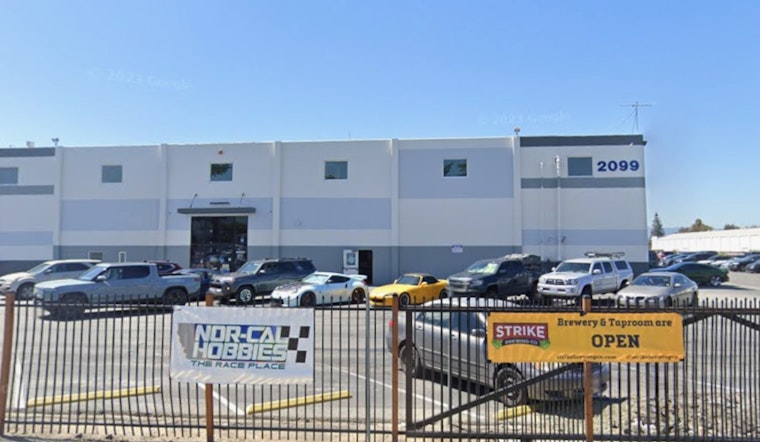
Strike Brewing Co., a San Jose craft staple known for medal-winning beers and neighborhood taprooms, has entered Chapter 7 liquidation after closing its brewing operations and taprooms at the end of October. The move caps an 11-year run that put its cans in coolers across California and turned its taprooms into regular hangouts. Now, creditors, suppliers, and longtime fans are watching the bankruptcy docket to see whether the equipment, remaining beer, and even the brand itself end up on the auction block.
The company posted a farewell note naming Friday, October 31, as its final day and thanking the community for "more than a decade of love, laughter, and support" on the Strike Brewing Co. site. That message publicly confirmed what regulars had already been noticing as October wound down: the tap handles were going dry for good.
According to the Chapter 7 petition filed in the U.S. Bankruptcy Court for the Northern District of California on Monday, Strike Brewing Company LLC is now in the hands of an interim trustee, with the case detailed on Inforuptcy. The filing was reported to list assets between $100,000 and $1 million and liabilities between $1 million and $10 million, according to Bankruptcy Observer.
Brewery History And Local Footprint
Strike began in 2011 as a contract-brewed project before the team took the plunge into its own production facility in July 2014, later adding a Campbell taproom in 2019. Founders Jenny Lewis and Drew Ehrlich grew the operation from a homebrew concept and a shared love of baseball, turning out hits like Screaming Hand Imperial Amber and Colossus of Clout. The brewery's origin story, growth timeline, and medal count are chronicled by Brew Your Own.
What Chapter 7 Means For Strike And Creditors
Chapter 7 is a liquidation process in which a trustee gathers and sells nonexempt assets to pay creditors, rather than attempting to keep the business alive through reorganization, according to the U.S. Courts. In Strike's case, an interim trustee has already been appointed, and a meeting of creditors is set for Dec. 30, 2025, giving landlords, suppliers, and other claimants a formal forum to submit proofs of claim, as reflected in the case record on Inforuptcy. Ultimately, how much anyone recovers will depend on what the trustee can sell and how federal rules rank secured and unsecured claims.
Part Of A Wider Downturn In Craft Beer
Strike's collapse arrives during a tougher stretch for craft beer more broadly. The Brewers Association's midyear snapshot shows the number of operating craft breweries slipping to 9,269 in June 2025, with craft volume down roughly 5% from the previous year, according to the Brewers Association. Other high-profile flameouts this year include Rogue Ales & Spirits, which abruptly shut down and then filed for bankruptcy in Oregon, as covered by the Lincoln Chronicle.
What Local Customers And Suppliers Can Expect
Because Strike served both taproom regulars and a broader distribution network, its exit leaves a hole for neighborhood bars, retailers, and beer drinkers, while also setting up potential creditor claims for landlords, vendors, and contractors. In a Chapter 7 case, brewery equipment, canned goods, and other physical assets are typical targets for a trustee seeking to raise cash, and affected businesses will have the opportunity to file claims during the process overseen by the trustee and the court. Details on Strike's brewing system and distribution reach were laid out in trade coverage, including profiles in Brew Your Own.
The Dec. 30 creditors' meeting will serve as the first public milestone for anyone with money on the line or sentimental ties to the brand. Until then, the trustee's moves and new filings in the case will likely be the main sources of concrete information about asset sales or potential buyers. Early reporting on the bankruptcy and shutdown came from TheStreet, and local followers will be keeping an eye on updated entries at Inforuptcy to see if Strike's cans, tanks, or brand identity find a second life elsewhere.





