

























































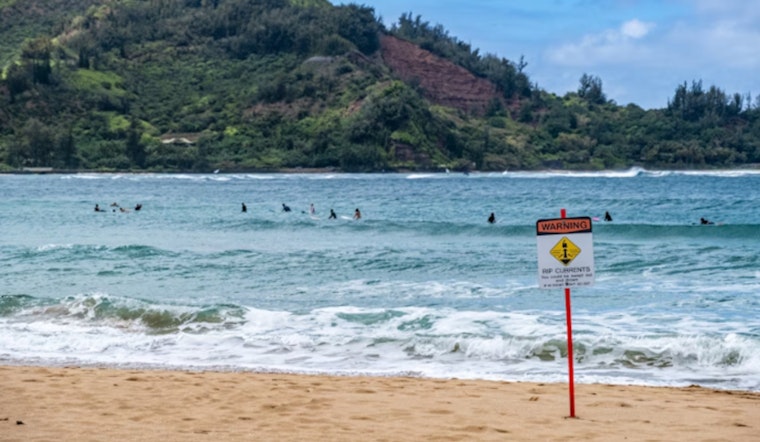
High surf is affecting Hawaiʻi Island’s north- and east-facing shores. The National Weather Service issued a High Surf Advisory on Tuesday. Hawaiʻi County says several Hilo-area beach parks are closed due to dangerous shorebreaks, strong rip currents, and possible harbor surges.
Civil Defense msg: 11-11-2025 07:26 AM Update NWS issues High Surf Advisory for North and East Facing Shores of Hamakua, North Hilo, Puna, South Hilo District(s) of Hawaii Island. Some beaches closed. Please exercise caution.
— Civil Defense (@CivilDefenseHI) November 11, 2025
According to the Hawaiʻi County Civil Defense, the county alert relayed the NWS advisory, flagged Hāmākua, North Hilo, Puna and South Hilo as areas of concern, and noted that “some beaches closed.” Residents and visitors are advised to stay away from exposed shorelines until conditions improve.
Where the advisory applies
The High Surf Advisory is in effect for Hawaiʻi Island’s north- and east-facing shores. Large breaking waves and hazardous currents are expected, as per the National Weather Service in Honolulu.
Beach parks closed in Hilo
Hawaiʻi County ordered closures at several Hilo-area parks, including Onekahakaha Beach Park, Mokuʻola (Coconut Island), Richardson Ocean Park, Leleiwi Beach Park and Carlsmith Beach, as detailed by Hawaii News Now. Officials said Onekahakaha and Mokuʻola will remain closed on Tuesday while crews clean up and assess hazards. Surf along north-facing shores was forecast to reach 15 to 20 feet, the outlet reported.
Harbor surges and marine caution
Forecasters warn the large swell could drive surges into north-facing harbors and trigger dangerous breakers near harbor entrances. Mariners should use extra caution when entering or leaving port and secure small craft, as mentioned by the National Weather Service in Honolulu.
Safety tips and what to watch
Officials advise staying off rocks, jetties and low-lying shorelines; powerful shorebreaks can sweep even strong swimmers into the ocean. Keep tabs on updated forecasts and local emergency channels from county civil defense and the National Weather Service for reopening and hazard updates. If you see someone in distress, call 911 and alert ocean safety personnel rather than attempting a rescue yourself.




