

























































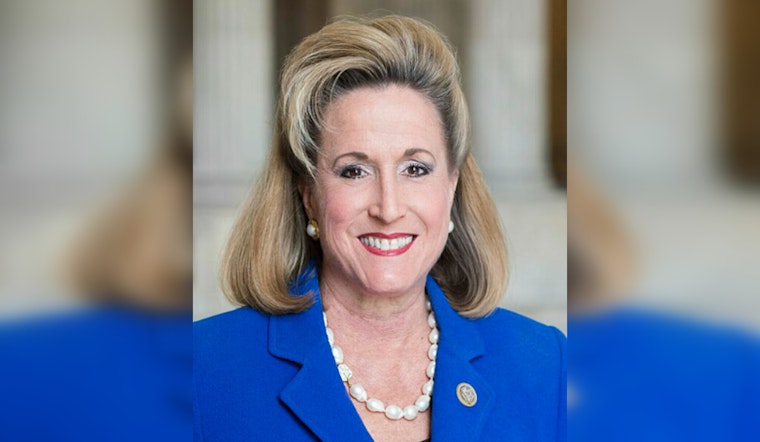
In a decision resonating through the corridors of financial regulation, the Department of Labor has chosen to relinquish its defense of the contentious Fiduciary Rule, much to the approval of Congresswoman Ann Wagner (R-MO). Having led a longstanding campaign against the rule, Wagner represents the district that will be unburdened by this regulatory shift. According to the Congresswoman Wagner announcement on her official website, the Congresswoman declares victory over what she has labeled a "completely reckless rulemaking."
Wagner's opposition to the Fiduciary Rule has been long-standing, encompassing various forms of advocacy. From her position as Chair of the Financial Services Subcommittee on Capital Markets, she has deployed numerous legislative and communicative strategies to dismantle what she views as an imposition by past administrations. "This is great news for Main Street investors and families looking to save for retirement!" Wagner expressed, following the move to dismiss, having been filed an Amicus Brief with the Fifth Circuit Court urging the same outcome, as stated by the Congresswoman Wagner.
The DOL's Fiduciary Rule, implemented during the Biden administration, was initially designed to hold financial advisors to a higher standard, ensuring they act in the best interests of their clients when handling retirement accounts. Calling the rule "overly burdensome," Congresswoman Wagner has reportedly held DOL Deputy Secretary Julie Su to task, supported the Trump Administration's Regulation Best Interest Rule, and embedded language in FY18 appropriations legislation to halt the rule.
Among Wagner's numerous efforts challenging the rule was the introduction of the Retail Investor Protection Act and H.J. Res. 88, cited as "Protecting Access to Affordable Retirement Advice." Along with issuing detailed letters of concern to the Department of Labor, she has continuously maintained a vocal position against federal regulations that, in her opinion, constrain economic choice for Missourians, according to the Congresswoman Wagner.
This recent victory, as Wagner sees it, stands as a culmination of these relentless pushes back against federal overreach. Congresswoman Wagner positioned the dismissal as a windfall for "American families across the country," echoing her earlier commitment to oppose presidential mandates that, she believes, intrude upon personal financial choices. As this narrative develops, implications for investors and the broader market remain to be seen.





_(cropped).jpg)