

























































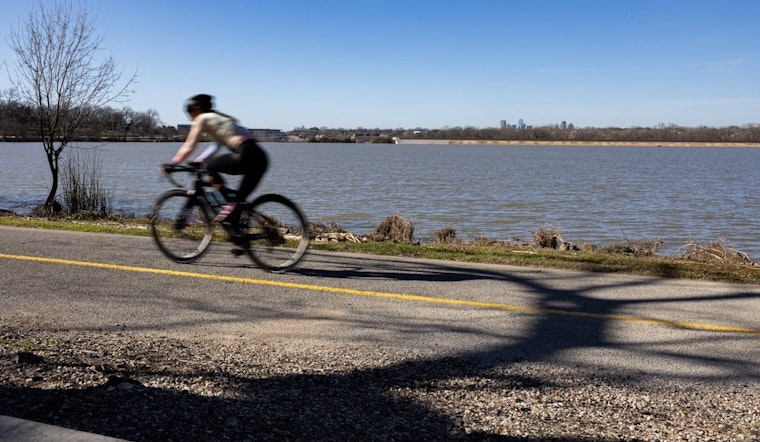
Dallas is finally trading blueprints for blacktop. The city green‑lit a long‑promised bike network update, snagged national recognition, and lined up fresh regional dollars—yet advocates caution the real test is whether those wins turn into protected lanes you can actually ride without white‑knuckling it.
Council Approves 2025 Bike Plan
The Dallas City Council approved the 2025 Dallas Bike Plan on May 28, 2025—the first comprehensive overhaul since 2011, per the City of Dallas. The plan sets a phased rollout and creates a standing Bicycle Advisory Committee to help prioritize projects. Earlier this year, the city also picked up a Bronze‑level Bicycle Friendly Community nod from the League of American Bicyclists. City staff say Phase 1 leans on projects that already have funding; later phases will depend on additional grants and capital commitments.
Regional Money Is Now Available
In mid‑June, the region’s policy board opened the spigot: the Regional Transportation Council approved $59.6 million in federal funds for 12 active‑transportation projects across Collin, Dallas, Denton, and Tarrant counties, with another $14.4 million in local match for a roughly $74 million total, according to NCTCOG. The money backs trail extensions and on‑street bike facilities linking schools, transit, and job centers. Planners say those awards make it more realistic for Dallas to build the plan’s initial segments—assuming local budgets and staffing don’t hit a red light.
State Data Underscores Urgency
The safety case is stark. The Texas Department of Transportation reports bicyclist fatalities rose 58% between 2019 and 2023; last year alone saw 106 bicyclist deaths and 384 serious injuries, per TxDOT. The agency cites driver inattention, failure to yield, and speeding as top factors. Local officials and advocates point to protected lanes, clearer crossings, and consistent maintenance as proven countermeasures.
Advocates Welcome Momentum, Warn It's Not Enough
Supporters are encouraged—and impatient. “There are parents who won’t let their children ride a mile to the nearest library because there’s no safe route,” Jonathon Braddock told KERA News. Heather McNair, president of Bike DFW, said a “shift in our council members being pro‑cycling” marks real progress, but she added that implementation, staffing, and maintenance funding will determine whether the plan actually reduces trauma on city streets.
What To Watch Next
Advocacy groups want faster timelines and guaranteed upkeep. The plan’s map envisions a roughly 20‑year buildout for a core 150‑mile on‑street network; the Dallas Bicycle Coalition is pushing to speed that up, according to the Dallas Bicycle Coalition. City officials say near‑term work will prioritize routes with secured funding while staff chase grants and coordinate with regional trails and transit expansions. Early tea leaves: the Bicycle Advisory Committee’s fall meetings and whether bike projects show up in resurfacing schedules and capital budgets.
Bottom Line: Momentum Meets Risk
Dallas has momentum—a new bike plan, national recognition, and regional grants—but the city’s safety record won’t change until those wins become protected streets. Community rides like the 11th Pedal to the Park highlight both enthusiasm and need, KERA News reports. With TxDOT’s rising crash numbers looming, every mile of protected lane and every maintained crossing isn’t just an amenity—it’s potentially life‑saving.





