

























































The Department of Homeland Security moved up the effective date of a national rule that targets masked, anonymous participants at demonstrations on or near federal property. The change makes it easier for federal officers to cite or penalize people who conceal their identity while committing offenses on or immediately adjacent to federal buildings. Organizers and legal observers say the shift will influence how protests near immigration facilities and courthouses are policed, as reported by Federal Register.
What The Rule Says
The final regulation bans “wearing a mask, hood, disguise, or device that conceals the identity of the wearer” when used to avoid detection while committing a crime, according to the Federal Register. It also clarifies that misconduct off federal property can be treated as affecting federal property when it threatens the facility or people working there.
Why The Timeline Changed
Federal officials advanced the effective date after U.S. attorneys filed notices in several districts and DHS sought to respond to what it described as a recent rise in violence at federal facilities, according to reporting by Alaska Beacon. The outlet cites a local U.S. Attorney’s Office filing indicating the regulations “may be advanced” to last Wednesday, with similar filings expected elsewhere.
Why Houston Could Feel This Now
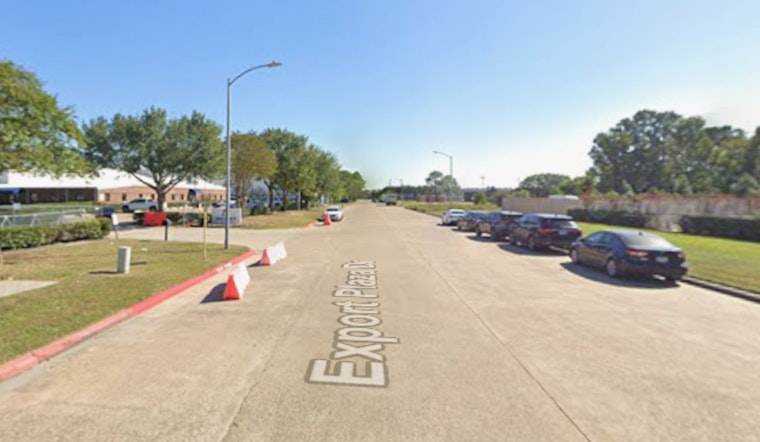
Houston has been a hub for protests over ICE arrests, including stationary rallies outside the ICE Houston Contract Detention Facility on the north side. Local organizers have planned gatherings at 15850 Export Plaza Drive, a site where the rule’s off-property language and penalties could apply, according to the Houston Chronicle.
Dr. Greg Fremin, a former Houston Police Department captain, told local radio the rule could help identify people who “act with impunity” while hiding behind masks and costumes. He called the change a “game changer” and said tougher penalties and sentencing could deter violent behavior, per KTRH.
Enforcement And Penalties
The change arrives with a new fine schedule and expanded charging options across roughly 8,500 federal facilities, allowing officers to cite adjacent misconduct rather than make an arrest in every case. Local reporting points to fines such as $200 for concealing identity during an offense and $500 for obstructing access; agencies have said they will favor “citing and releasing” minor offenders as part of crowd-management tactics, according to Alaska Beacon.
Legal Questions
DHS advanced the rule’s effective date via a Federal Register notice that says the agency found “good cause” under the Administrative Procedure Act — a justification that could face court challenges from free-speech and civil-rights advocates. The notice amends the June final rule and sets the regulations as effective last Wednesday, per the Federal Register.
For now, Houston organizers say they will continue demonstrations, but the new enforcement calculus will shape where and how people gather. Local groups have urged that rallies remain stationary and nonviolent — guidance organizers say carries added urgency now that the government has notified U.S. attorneys and federal courts about the change, according to the Houston Chronicle.





