

























































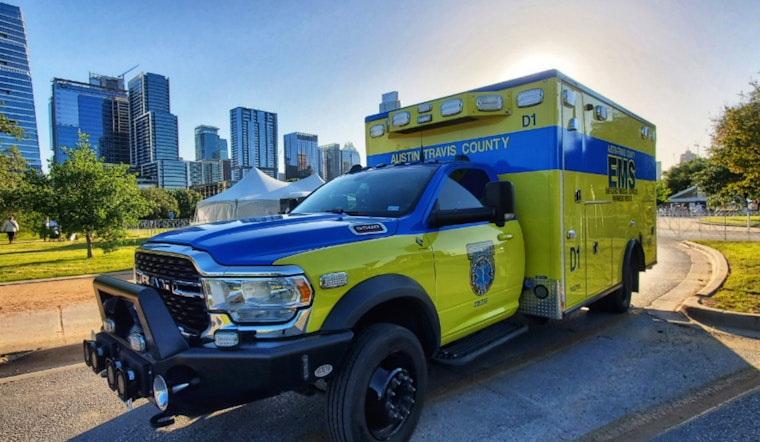
Austin has quietly launched a three-person crisis team that sends a police officer, a licensed behavioral-health clinician and an EMS paramedic to the most urgent mental-health calls in the downtown core. The Field Integrated Response Support Team, better known as FIRST, started work in October as a six-month pilot aimed at getting to scenes faster and steering people away from emergency rooms and jails. Instead of waiting for a call to be assigned, the unit is built to jump on high-acuity incidents, and early responders say working side by side helps them defuse tense situations. City officials plan to mine the pilot’s data before deciding whether the program sticks around.
The pilot, officially named the Austin Field Integrated Response Support Team, soft-launched on Oct. 6 and fully ramped up later that month, operating on weekdays in the downtown area. Each crew includes an Austin Police officer trained in crisis intervention, an Integral Care clinician and an Austin-Travis County EMS paramedic who can provide on-the-spot medical care and assessment, according to KUT.
How FIRST Works
Instead of waiting for traditional dispatch, the FIRST team actively watches the 911 board for mental-health calls that fit its criteria, then moves toward those scenes. That approach lets the unit get there quicker than a standard step-by-step response. On one October call at a downtown church, the crew persuaded a woman who had barricaded herself in a bathroom to accept help voluntarily. “You could see the fear on her face,” Officer Jaime von Seltmann told the Austin American-Statesman. The mix of law enforcement, clinical assessment and paramedicine is designed to stabilize crises on scene and connect people to treatment instead of defaulting to an ER bed or a jail cell.
Lessons From Dallas
Austin built FIRST partly on the model of Dallas’s RIGHT Care teams, which also pair clinicians, paramedics and specially trained officers, then closely track outcomes. Research and analysis of the Dallas program found the teams diverted thousands of people from jails and emergency departments and were associated with fewer arrests and shorter times on scene. Data presented by Dallas officials showed drops in hospital admissions and scene times in ZIP codes covered by RIGHT Care, a playbook Austin officials say they hope to follow. The Meadows Mental Health Policy Institute has detailed RIGHT Care’s results and how the program operates.
Why Officials Say It Matters
City leaders point to a sharp rise in 911 calls involving mental health, along with much slower response times, as the problem FIRST is trying to tackle. A Statesman review of city 911 records found that mental-health calls jumped about 269 percent from 2014 to 2024 and that both average response times and on-scene times have grown longer, leaving some high-risk situations waiting. During the pilot, the agencies say they will track a dozen measures, including use-of-force incidents, emergency detentions, hospital admissions and how long responders stay at each call, to see whether FIRST cuts down on arrests and expensive hospital transports. Supporters argue that a faster, specialized team can be more humane for people in crisis and less costly in the long run.
What Comes Next
After six months, agency leaders are expected to bring performance data to the Austin City Council, which will decide whether to keep FIRST going or even expand it, as per KUT. Any continuation would require new funding. Supporters say the early outings look promising, but city officials want solid numbers before turning the pilot into a permanent line item. If the trends hold, leaders say they hope to see fewer arrests and hospital transports and better safety for both people in crisis and the first responders on scene.




