

























































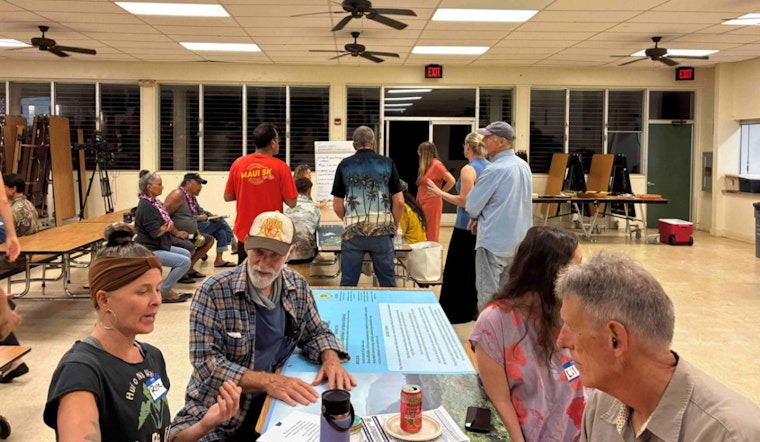
As East Maui grapples with an unprecedented drought and climate change impacts, local residents have made their priorities clear for the area's water management. During a series of workshops organized by the County of Maui East Maui Water Authority (EMWA) and its community board ʻAha Wai O Maui Hikina, participants came together to discuss proactive measures for ensuring long-term water sustainability. The workshops, held on October 28 and 29, witnessed a turnout of engaged citizens eager to influence the direction of future water-related initiatives.
Key discussion points from the workshops included the potential for the County to acquire and manage the East Maui water system. According to a release by the Maui County website, locals advocated for improvements to the existing water infrastructure and proposed the establishment of an East Maui base yard to facilitate system maintenance, watershed restoration, and educational opportunities. There was a collective call for infrastructure upgrades, particularly the addition of more reservoirs and enhancements to the efficiency of current systems. This input will be used to steer EMWA's future projects and strategic planning.
Environmental monitoring also featured prominently among the residents' concerns. The meetings revealed an appetite for heightened stream-monitoring capacity, with suggestions of a community-run Adopt-A-Stream monitoring program ranking highly among participants' priorities. Other ideas included hands-on educational training in hydrology and environmental science, as well as work-training programs for college students. EMWA Director Gina Young underscored the importance of these dialogues, stating, "East Maui stands at a crossroads amid a historic drought, climate risks and competing needs for water," and emphasizing the need for "innovative financing approaches that empower Maui County and community-led resource management," as noted by the county's official website.
The workshops weren't just a platform for locals to voice their concerns; they also provided learning opportunities about public finance strategies. Staff from the Public Finance Initiative briefed attendees on methods for marrying public finance strategies with philanthropic social investments to expand resources for the East Maui water system. The Rural and Small Cities Program, supported by the Robert Wood Johnson Foundation, played a key role in facilitating these educational sessions.
These dialogues reflect a broader necessity for community engagement in managing environmental resources at a local level. A presentation summarizing the workshops' outcomes is scheduled for December 5, 2025, at a meeting of the ʻAha Wai O Maui Hikina board.




