

























































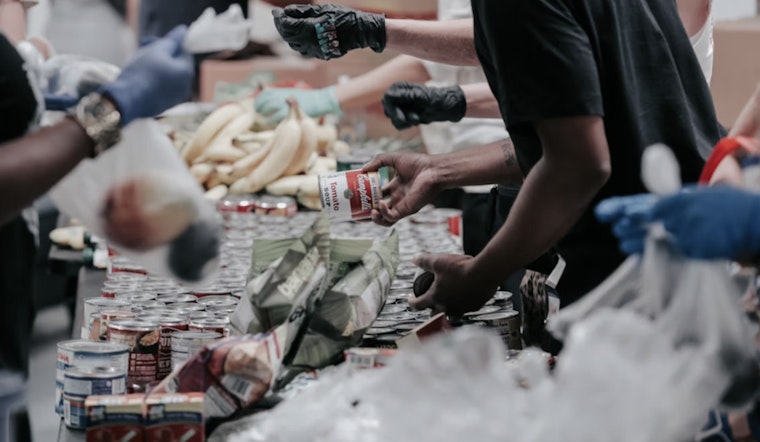
Hawaii is grappling with an escalating hunger crisis, as a recent report reveals an increasing number of families without adequate access to food. According to data from the Hawaii Foodbank and related organizations, almost a third of the state's families are facing food insecurity, a situation that is anticipated to deteriorate further.
Amy Miller, president and CEO of the Hawaii Foodbank, expressed to KITV, "Almost half our population of the entire state are either food insecure or kind of on the brink -- one or two paychecks away from disaster". This stark reality comes in the wake of federal cuts to crucial aid programs such as SNAP and Medicaid, alongside the enduring effects of the longest federal government shutdown in history.
Statewide reports shed light on the troubling statistics, with certain regions experiencing more acute levels of hunger. The Big Island and Maui County are particularly affected, with over 40% of households being food insecure. As outlined in an article by Civil Beat, the crisis is heightened for communities of Filipino, Hispanic, Native Hawaiian, and Pacific Islander descent, with some parents foregoing meals to ensure their children have food to eat. The rate of food-insecure Filipino households stands alarmingly at 47%.
The strain on food banks and support services is becoming increasingly evident across the state. Exemplifying the growing demand, Lisa Paulson, Maui Food Bank CEO, shared with Civil Beat that last month alone, they experienced surging requests from some of the 16,000 furloughed federal workers and other residents in dire need. With federal safety nets fraying, local initiatives are stepping in to assist, like the $1 million injection into a new program designed to purchase locally grown produce for food banks.
Every day, Hawaiians like Malia Andrews, a Salt Lake resident who shops frugally to stretch her food budget, embody the human side of these statistics. Andrews, who receives a modest $430 monthly in federal SNAP support and often relies on food handouts, has noticed a tangible decline in assistance she receives from food banks, as told in Civil Beat. The report also highlights the adjustments Maui residents Melody Kaolulo and Khyra Alapai have made due to lessened SNAP benefits, prioritizing immediate food needs while grappling with the high cost of living in Hawaii.



