

























































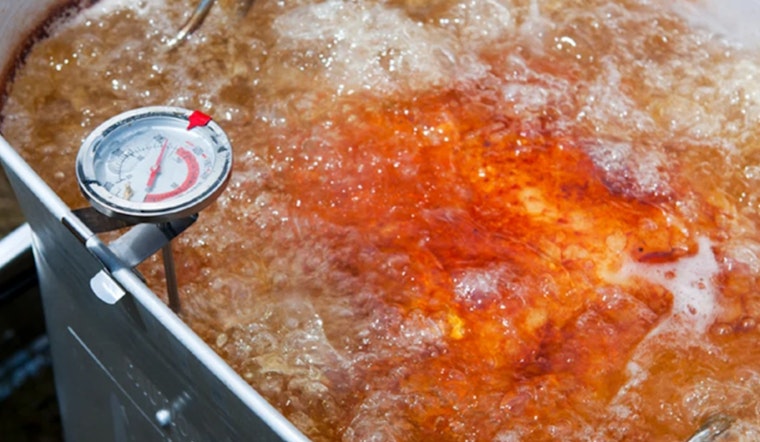
The holiday season brings not only joyful gatherings and indulgence in generous feasts but also a reminder of the culinary aftermath: the proper disposal of fat, oil, and grease (FOG). Hillsborough County issues a call to action, urging residents to protect their homes and the county's sewer system by being more mindful of FOG disposal during heavy cooking periods.
According to an article on Hillsborough County’s website, FOG poured down the drain can solidify, leading to blocked pipes and potentially expensive plumbing repairs. The impact isn't confined to private residences; the county's sewer system can suffer, resulting in overflows and environmental harm. FOG may not look like a troublemaker in its warm, liquid form, but once it cools, the transformation into a solid mass becomes a costly invader in the pipelines.
Thanksgiving favorites such as turkey fryers are a significant source of FOG. Homeowners are advised to cool the FOG, transfer it to a container with a secure lid, and recycle it, rather than sending it down the drain. "Even if you have a garbage disposal in your sink," the Hillsborough County article states, "leftover FOG from meal preparation and cooked substances can build up and leave your pipes vulnerable to a costly plumbing issue."
The article proposes four simple maneuvers to combat FOG: using a strainer, scraping plates directly into the trash, wiping excess FOG with a paper towel, and recycling it through the Cooking Oil Recycling Effort (CORE). Hillsborough County has made significant strides in sustainability with this initiative, providing over 20 drop-off stations for residents to recycle their used cooking oil,
For more information on the nearest CORE location to recycle your used cooking oil, the county advises residents to visit the Cooking Oil Recycling Effort page on their website.



