

























































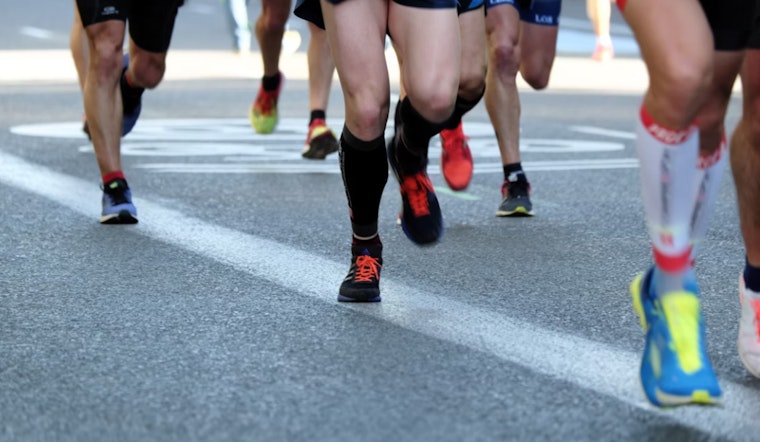
A steady pū (conch) call and a fine mist greeted runners as they carried the staff of Lono into Hilo on Thursday, closing the first leg of an islandwide ceremonial relay that welcomes the season of Makahiki. The procession, briefly soaked by rain and met by supporters chanting oli, began in Honokāʻa and threaded through coastal communities before arriving at the Kamehameha statue in downtown Hilo. For many participants the relay is both a serious workout and a moving prayer for the health of the land and its people.
Thursday's route and rituals
As reported by Big Island Now, runners started early Thursday in Honokāʻa, moved through Laupāhoehoe and arrived at the Kamehameha statue in Hilo before continuing up Volcano Highway to Kīlauea at Kanikolea Bluff. The outlet noted that about 20 runners were on that leg, and that the day wrapped with an ʻaha (feast) and ʻai pono (rest) at Volcano Charter School. Big Island Now also outlined upcoming legs of the six day circuit, including a Friday stretch to Pāhala and Waiʻōhinu Park and a Saturday canoe segment through Miloliʻi and Hōnaunau.
Roots and permission
The relay, called ʻAha Pule ʻĀina Holo, was founded by cultural practitioner Lanakila Mangauil and draws on running as prayer practices shared during cultural exchanges with the Pit River Nation. “Culture is not stationary,” Mangauil told Big Island Now, explaining that Pit River elders offered permission for the practice to be adapted on Hawaiʻi Island.
Organizers and ceremony preparation
The nonprofit HŌʻĀ facilitates the run and describes it as a six day contemporary ceremony that carries a sanctified Lono staff clockwise around the island. HŌʻĀ’s program materials note ceremonial gatherings on Maunakea and the blessing of the staff at Lake Waiau, and frame the relay as a modern expression inspired by older Makahiki processions. The organization emphasizes community stewardship and local protocol in how each district receives and tends the staff during the relay.
Community hosting and continuity
Each district is represented by a coordinator who organizes runners and manages relay handoffs, and local families routinely host lunches and ʻaha gatherings to welcome visiting participants. The pattern of oli, food and shared protocol has helped the relay grow into an islandwide practice that stitches together coastal and upland communities. For background on earlier runs and the exchange that inspired the ceremony, see local video coverage and reporting on past Lono relays by Big Island Video News.
Organizers say the run is open to people who call Hawaiʻi home and to those seeking cultural connection, with an ongoing invitation to step into ceremony and protocol. For the full route and updates during the six day circuit, they point readers to HŌʻĀ’s schedule and to local coverage for daily landing points and ʻaha times. Visit the HŌʻĀ website for details and community contacts.





