

























































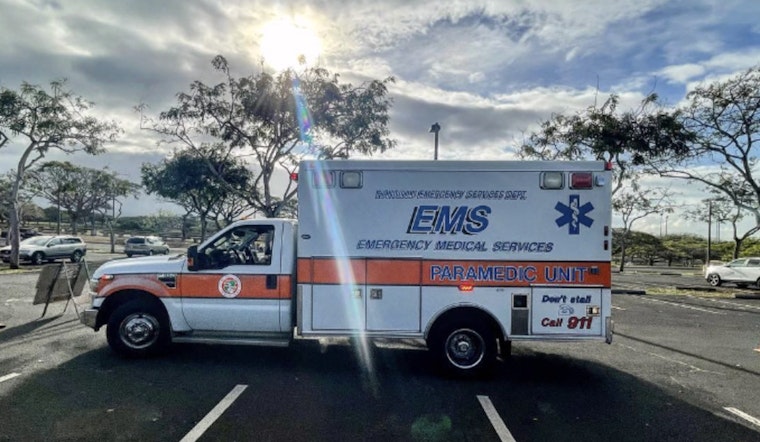
Honolulu EMS leaders say no ambulance units will be shut down in January. In 2026, Oahu will see more staff and frontline vehicles. The overhaul includes pay raises, new hiring, and a refreshed fleet so paramedics can focus on serious calls while basic life-support units handle lower-acuity runs. City officials say the changes address rising 911 demand and unreliable vehicles.
What the overhaul will look like
EMS Director Dr. Jim Ireland has made it plain: the previously discussed ambulance closures are "not happening." Instead, the department plans a reshuffle that leans into more daytime basic life-support ambulances, a 10 a.m. to 10 p.m. schedule for many crews, and the launch of rapid-response SUVs, often called "fly cars." As KHON2 reports, daytime deployment is expected to rise to 24 ambulances starting in January, with about 21 units available overnight. The administration has also set a goal of pushing total frontline capacity into the low 30s by the end of the mayor's term.
Pay, hiring and recruits
The strategy hinges on keeping experienced medics from walking away. Step raises approved by the City Council are designed to make that easier. Entry-level paramedics and EMTs will see about $2 more per hour, roughly $4,000 a year, while the most senior staff could get increases that top out around $30,500, according to Hawaii News Now. The outlet reports EMS currently has about 249 first responders and around two dozen vacancies. An academy class and other recruits scheduled for early 2026 are expected to be key to filling those openings and staffing the additional ambulances envisioned in the plan.
Upgrading the fleet
Much of the projected boost in capacity is tied to new wheels. Earlier this year, Honolulu EMS rolled out more than a dozen new or remounted ambulances, an AmbuBus, and CORE vans, with more remounts and brand-new chassis slated to arrive later in 2026. As detailed by Hawai'i Public Radio and coverage in EMS1, EMS leaders say they are aiming to have most frontline rigs under one year old in the near future, a shift they argue will cut down on time lost to repairs and keep more units in service.
Why this matters for calls and coverage
City officials say the new mix of basic life-support ambulances and fly cars is meant to free paramedics for calls that truly require their skills. Up to 40 percent of 911 callers do not need a paramedic, a statistic EMS leaders use to support nurse-navigator programs and other transport alternatives. Staffing and morale have been affected by stretched shifts, frequent maintenance downtime, and periodic reliance on private contractors such as AMR and federal fire crews, according to Civil Beat. EMS officials say efforts on pay, recruitment, and newer vehicles aim to reduce that outside dependency.
What to watch next
Key dates are already on the calendar. Raises are scheduled to kick in starting in January. Academy classes are expected to launch in early 2026, and more remounted units and new ambulances are supposed to roll in throughout the year as budgets allow, according to KHON2. City officials also emphasize that existing agreements with AMR and the federal fire department will stay in place as part of the surge plan until staffing and fleet targets are met. If hiring and vehicle deliveries stay on track, Honolulu leaders say residents should see steadier response times, especially in neighborhoods that have faced the longest waits.





