

























































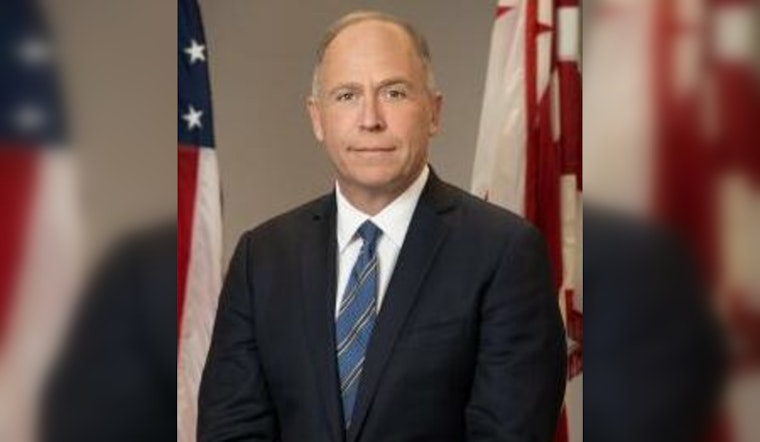
In a move that could have far-reaching implications for the role of the military on home soil, U.S. District Judge Jia Cobb has ruled against the deployment of the National Guard in Washington D.C., deeming it illegal. Attorney General Brian L. Schwalb, representing the Office of the Attorney General, obtained a preliminary injunction in this landmark case, although the order has been stayed for three weeks, giving the federal government time to appeal the decision.
Under the blanket of a legal challenge, the federal initiative to station troops within the District has been brought into question, with Schwalb fiercely criticizing the move. “From the beginning, we made clear that the U.S. military should not be policing American citizens on American soil," Schwalb said in a statement. He warned of the "dangerous precedent" that could emerge, allowing military power to be used unchecked by the President wherever and whenever desired, subverting state independence – a statement obtained by the Office of the Attorney General.
The legal proceedings seem to underscore a tense balancing act between federal authority and local governance, with potentially nationwide effects on how military might is wielded within U.S. borders. Schwalb, voicing the concerns of many, cautioned against what he perceives as "this unprecedented federal overreach" which, in his view, is neither "normal" nor "legal."
While the injunction serves to temporarily halt the deployment of troops, the stayed judgment offers a window for the government to contest the ruling. This stay, walking hand in hand with intense scrutiny, underscores the grave importance of the outcome, which will not only determine the fate of National Guard troops currently on duty but also shape future federal military deployments domestically. Meanwhile, Schwalb emphasizes the human side of the equation, poignant in his regard for the troops, stating, "It is long past time to let the National Guard go home – to their everyday lives, their regular jobs, their families, and their children," expressing a sentiment that, for many, resonates beyond the courtroom - a quote directly from the Office of the Attorney General's release.



.jpg)