

























































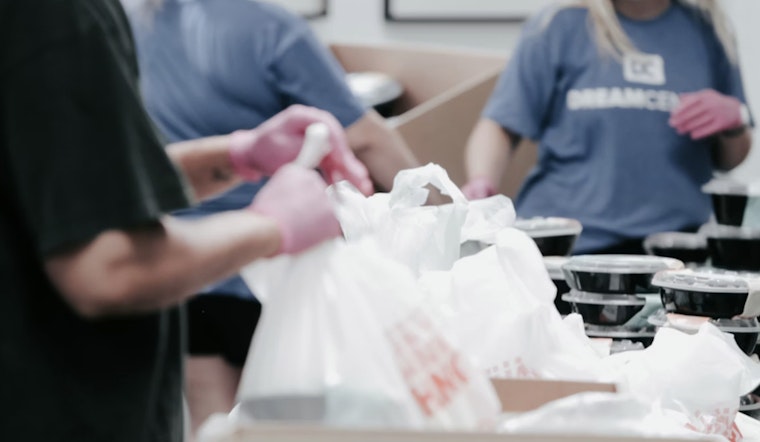
Kaiser Permanente Hawaii is putting $263,000 behind four island nonprofits in a fresh push to get more local produce onto family tables. The grants, announced Wednesday, support a mix of food-rescue operations, senior produce bags, farm-to-food-bank purchases and price breaks for households using SNAP. Organizers say the tightly targeted funding is designed to ease food insecurity while keeping more of every grocery dollar in the hands of Hawaiʻi farmers.
Who Got The Cash And Where It Is Going
Kaiser awarded $95,000 to Hawaiʻi Foodbank, $75,000 to The Food Basket on Hawaiʻi Island, $50,000 to the Hawaiʻi Good Food Alliance and $43,000 to Aloha Harvest, according to the Honolulu Star-Advertiser. The $263,000 package is being folded into existing efforts that deliver produce to kupuna, connect clinic patients to culturally relevant meals and subsidize local community-supported agriculture for households that rely on SNAP. Nonprofit leaders say the money is meant to shore up programs that already work rather than launch brand-new operations that would be hard to sustain.
Programs The Grants Will Support
One major focus is Kupuna Fresh, which provides 8- to 10-pound bags of Hawaiʻi-grown produce to seniors. GuideStar notes the initiative distributes produce at dozens of sites and reaches roughly 1,500 kupuna across Oʻahu and Kauaʻi. The Food Basket will expand its DA BOX CSA subsidies so SNAP customers can pick up weekly produce at a lower cost. The DA BOX model accepts EBT and uses a SNAP match to cut customers' out-of-pocket bills. Kaiser has also previously backed farm-to-food-bank work that covers harvest and packing costs so farmers can donate produce and food banks can move it statewide, a setup meant to support both nutrition and the local ag economy.
Why This Money Hits Different Right Now
Hawaiʻi is wrestling with unusually high food stress. A Hawaiʻi Foodbank analysis finds about 30% of households have experienced food insecurity, and University of Hawaiʻi researchers report that roughly 48% of families with children face some level of food hardship. Those numbers help explain why relatively precise interventions - from produce bags for seniors to SNAP incentives that stretch budgets for local fruits and vegetables - are being framed as public-health moves as much as economic ones.
Kaiser Calls It A Health Investment
"We want to help families put nutritious meals on the table and support local farmers," Ed Chan, president of Kaiser Foundation Health Plan and Hospitals in Hawaii, told the Honolulu Star-Advertiser. The paper reports that much of the funding for an "Ai Pono" initiative will go toward distributing 720 culturally tailored food boxes through Waimānalo Health Center, while other awards will strengthen food-rescue work and clinic-linked nutrition programs across Oʻahu and the Big Island.
How The Discounts Work And What Comes Next
According to The Food Basket's program materials, DA BUX and DA BOX-style subsidies make Hawaiʻi-grown produce more affordable by applying a 50% discount to qualified CSA purchases for SNAP customers. Farm-to-food-bank projects pick up harvest and packing costs so donated produce can be sent out to families, a tactic Kaiser and its partners have used in earlier grant cycles. Nonprofits say the new funding will roll into existing distribution routes over the coming months, with details on pickup sites or enrollment shared at the local level.
Leaders acknowledge that relatively small, targeted grants will not erase Hawaiʻi's hunger challenges on their own. They argue, though, that these kinds of investments help plug immediate gaps while lawmakers and agencies wrangle over bigger policy and funding fixes. Residents can expect to see more updates from the nonprofits and community health centers as the dollars are spent and the food boxes, bags and subsidies start landing with households across the islands.



