

























































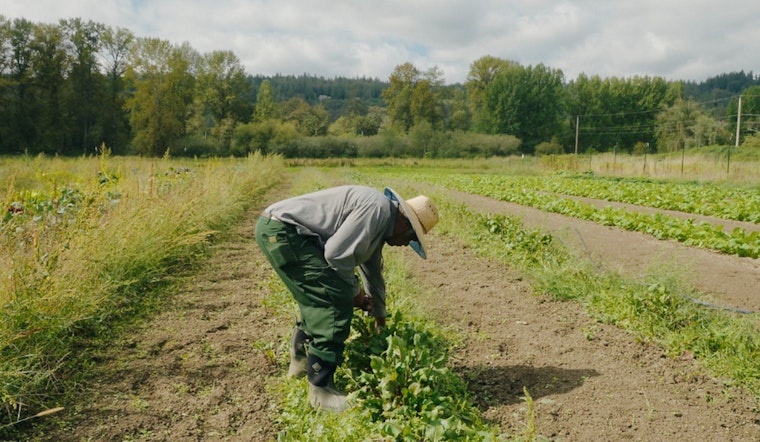
King County is doubling down on its commitment to a sustainable and equitable food system with an ambitious overhaul of its Local Food Initiative. Launched a decade ago, the initiative is pivoting to tackle issues like hunger relief, the increasing cost of farmland, and climate change. According to an announcement on the county's website, this new phase is fueled by past successes and lessons learned.
After a decade, King County's Local Food Initiative has not only fostered farmland access for farmers and improved the farm-to-market pipeline but has also worked to aid low-income communities with better food options. The initiative has been instrumental, having backed multiple projects like funding local hunger relief organizations that buy from local farmers, supporting new agriculture-focused enterprises, and creating a grant program. As King County Executive Shannon Braddock said in a statement obtained by the county's newsroom, "we’re enhancing the Local Food Initiative to meet the current needs of both farmers and the communities they support" - with an eye on creating a more equitable and climate-resilient food system.
The updated initiative maps out 10 immediate actions to reinforce local food economies. These actions aim to bolster local food markets, develop sustainable funding, make farmland more affordable, and help farmers adopt climate-friendly practices. These measures intend to not only bridge the gap but also cater to the health of the planet.
Essentially, the revamped plan not only targets economic factors but integrates climate considerations as an inseparable core. John Taylor, Director of the Department of Natural Resources and Parks, highlighted the plan's focus on racial justice and climate resilience, which "are needed to strengthen the local food economy,” as noted by the county's official website. As part of the strategy, a new advisory council has been formed, embodying a patchwork of perspectives across the food system in King County. Contributing to this vision, the plan also prescribes adding climate resiliency, advocating for low-carbon initiatives throughout the food supply chain, from soil to transport.
There's also a nod to the extensive community input received while shaping the initiative. More than 1,600 residents completed surveys and participated in listening sessions, focus groups, and interviews. Marissa Aho, Director of the King County Executive Climate Office, stressed the collaborative nature of the roadmap, clarifying that it "centers equity to increase local food access as a way to improve community resilience" as mentioned in the county's newsroom statement.





