

























































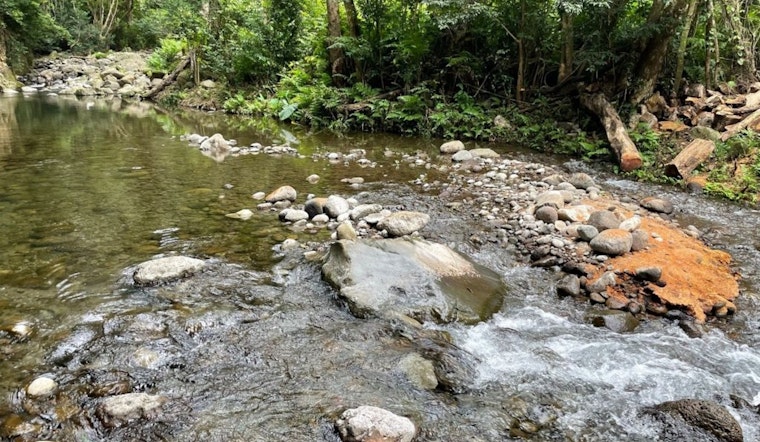
A new battle over who controls West Maui’s water is boiling over, as residents, cultural practitioners, and businesses clash over scarce supplies in the long shadow of the Lahaina wildfire.
The latest flashpoint centers on reports that groundwater may have been tapped without authorization after the fire, a claim that has triggered heated public testimony and fresh scrutiny of how reservoirs, ditches, and wells are managed in West Maui, according to KITV. Officials say they are trying to juggle essential drinking water and in-stream flows with demands for fire protection and private irrigation during an unusually dry stretch, and many residents are openly questioning whether access and oversight are keeping pace with recovery.
State report shows who uses the most water
A new inventory by the state Commission on Water Resource Management found that single-family dwelling meters collectively use more water in Lahaina than hotels do, and that non-owner-occupied homes use roughly twice as much water as owner-occupied ones, according to Hawaiʻi Public Radio. The commission also reported rising salinity in some groundwater wells and record low stream flows in parts of West Maui, warning there is very little room for error if another emergency hits.
County rules in place, but tensions remain
The County of Maui Department of Water Supply has kept the West Maui service area at a Stage 2 water shortage, a status that limits irrigation to once a week on a rotating schedule and orders nonessential commercial and industrial water use to stop, according to the county’s notice. Maui County says the restrictions, along with potential fines for repeat violations, are necessary while reservoir and stream levels remain low.
Businesses and farmers push back
Those limits are colliding with economic pressures. Earlier this year, Kapalua golf officials, homeowners, and a farm sued Maui Land & Pineapple, alleging the company failed to maintain the Honokōhau ditch system and left courses and farms without irrigation, a dispute that helped cancel a high-profile tournament, The Associated Press reported. Maui Land & Pineapple has denied the allegations and filed counterclaims, arguing that low rainfall and legal priorities for in-stream flows and drinking water explain the limited diversions. The legal fight has put parts of West Maui’s economic recovery timeline on shaky ground.
Legal and policy stakes
The court battles are unfolding alongside a political push to overhaul who runs the water systems. Lawmakers introduced a bill this year that would allow the state to acquire West Maui water systems through eminent domain, as calls grow for public control of critical infrastructure, Maui Now reported. Maui Land & Pineapple also disclosed the Kapalua complaint and its own counterclaims in a recent Form 10-Q filing, noting how litigation could affect its operations and finances, according to StreetInsider.
Residents demand transparency
At public meetings, residents and taro farmers have pressed regulators for clearer rules and faster permit reviews, and some say the process tilts toward powerful interests. “It seems like the commission tends (s) to side with these big landowners,” one West Maui resident told commissioners in testimony, as reported by Maui Now. Commission staff say they are working to post submitted water use applications online and to speed up reviews, while also acknowledging the technical and legal complexity of rebalancing flows across intertwined private and public systems.
What to watch next
The state water commission is expected to keep debating how to prioritize permits and how fast they should move, and experts caution that any change in allocation will ripple through rebuilding plans and emergency preparedness, Hawaiʻi Public Radio notes. For West Maui residents still recovering from the 2023 fires, the fight over who gets water will help decide which homes come back, which farms survive and how ready the island will be for the next blaze.




