

























































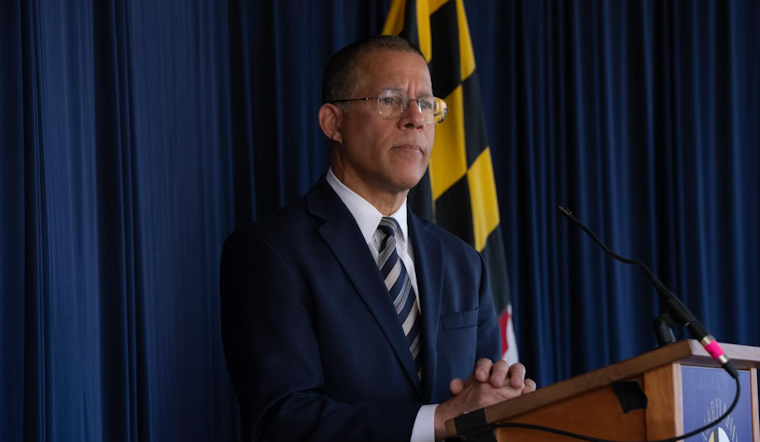
As shoppers in Maryland and across the country brace themselves for the impending holiday sales, looming alongside the prospect of good deals is the specter of fraudsters seeking to exploit the buying frenzy. Attorney General Anthony G. Brown has issued a stern warning to the public, cautioning that scammers, backed by artificial intelligence tools, are on the prowl. In a report released by FOX Baltimore, Brown emphasized the importance of vigilance, stating, "Every year, scammers target Marylanders looking for the perfect gift for their loved ones."
The urgency of the warning is not without reason. The Federal Trade Commission reported Americans faced over $12.5 billion in losses to fraud in 2024, marking a significant 25% increase from the year before. Brown advised consumers to "verify the retailer you’re buying from and secure your payment information," as reported by FOX Baltimore. The Attorney General's Office has specifically highlighted the threat posed by AI technologies, which are revolutionizing the way fraudsters carry out their deceit. Features such as AI-generated deepfakes and voice cloning have armed scammers with new capabilities to mimic trusted individuals convincingly.
To combat these risks, the Attorney General provided advice for safe shopping. Consumers are urged to research retailers, ensuring they have clear customer service channels and positive reviews. Another key safeguard is ensuring the security of online payments, with the Attorney General's Office recommending that consumers should only use websites with "https" in their web addresses, signifying enhanced security protocols. In the face of alluring social media advertisements and email promotions, consumers are advised to resist clicking on suspicious links that could lead to fraudulent pages or malware infections, as detailed by NottinghamMD.




