

























































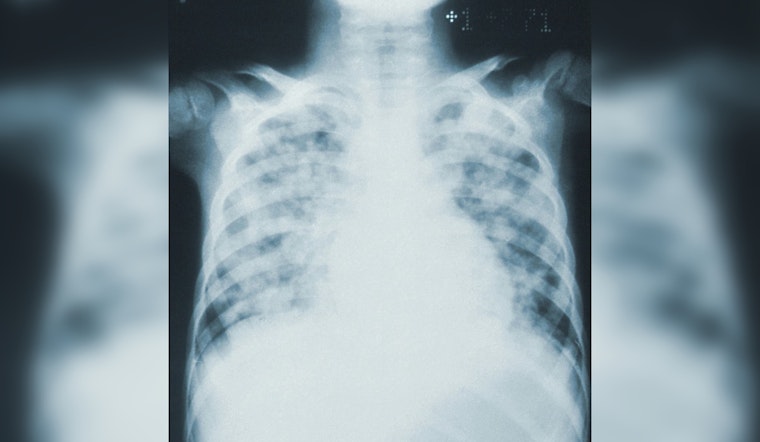
As Lung Cancer Awareness Month takes hold, Mayor Muriel Bowser and DC Health are stepping up their game to address this critical health issue, calling for District residents to heed the importance of early detection and prevention of lung cancer—efforts that could be lifesaving. With an array of symptoms, risk factors, and screening guidelines to consider, the District aims to lighten the load of this burden through expanded screening options, educational materials, and resources designed to help individuals kick the smoking habit for good. In a statement, officials highlighted their commitment to fostering healthier communities across Washington, DC.
In her public remarks, Dr. Ayanna Bennett, Director of DC Health, underlined the gravity embedded within the 2025 State of Lung Cancer report—an urgency to not only raise awareness but also enhance the accessibility of crucial screening and prevention services because despite progress, there's still much work to be done as the District ranks 10th out of 51 jurisdictions for new lung cancer cases, an improvement though early detection and survival rates desperately need to be higher. "The 2025 State of Lung Cancer report highlights the urgent need to raise awareness and expand access to essential screening and prevention services," Dr. Bennett shared, according to mayor.dc.gov, indicating a solidified mission to partner with community allies to increase access to these resources, thereby enabling residents to take proactive steps toward improved lung health.
Screening centers throughout the area, like the Georgetown University Lombardi Comprehensive Cancer Center, MedStar Health, The George Washington University Hospital, and Washington Radiology, are key players within the landscape, offering lung screenings for those eligible, with details on booking an appointment or finding out more available through their respective channels. Moreover, those in the struggle against tobacco can find support via the DC Quitline, a service providing free one-on-one coaching, text and web-based support, and nicotine replacement therapy, accessible by calling 1-800-QUIT-NOW. As noted, those enrolled with AmeriHealth Caritas DC have even more cessation resources at their fingertips.
DC Health's Comprehensive Cancer Control Program operates with an ethos to quell cancer disparities and promote improved outcomes across the District, leveraging clinical-community partnerships, emphasizing early detection and prevention, and utilizing data to shape health equity-guided policies and investments all to reduce the cancer burden on every resident in the area, the DC Cancer Coalition, convened by DC Health works to coordinate these very efforts, by bringing together community health care, and research partners to align efforts, therefore reducing the cancer burden for all residents in the District with anyone interested in joining the cause or participating in a workgroup such as Early Detection, Data Collection, or Patient Navigation, encouraged to reach out via the Coalition's website or email provided.
The annual observance every November for Lung Cancer Awareness Month serves as both a beacon and a catalyst, propelling awareness about the risks of lung cancer while simultaneously championing early detection and supporting those touched by the condition. The Bowser Administration's commitment resonates all year round, with a clear aim: ensuring that more residents of Washington, DC, have the necessary resources and care to secure their health against this pervasive adversary.





