

























































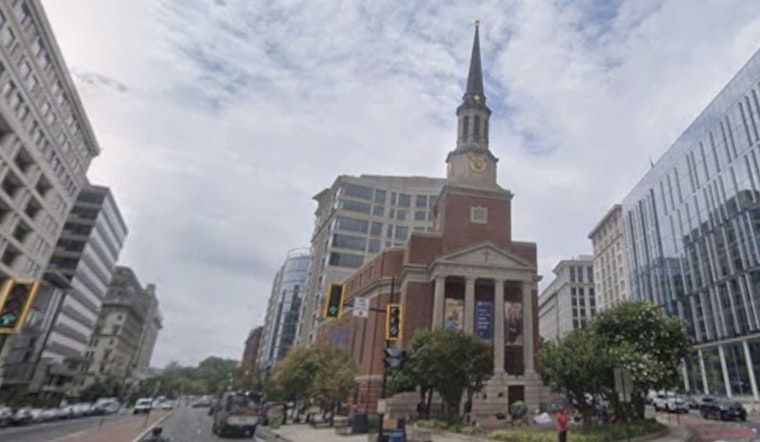
Mayor Muriel Bowser is calling on residents of the District to stand together against the chill of the coming winter months. Kicking off the city's Hypothermia Season today, the Mayor stood with the Department of Human Services and the DowntownDC BID to unveil the Hypothermia Awareness Pledge—a promise among neighbors to watch over those struggling without shelter through winter's bite.
In a ceremony that underscored community solidarity, Mayor Bowser highlighted the commitment to ensure no resident is left to face the cold alone. As announced on Mayor Muriel Bowser's
website, the pledge serves not only as a moral compass but as a tangible force for aid, driving locals to support the homeless with hot meals, warming items, and support services. This season, which endures from November 1 through March 31, calls for heightened outreach, with a Shelter Hotline at 202-399-7093 available to those who need to request transportation to shelters for themselves or someone in need.
Under Bowser's ongoing tenure, homelessness supports have undergone transformative changes. Past policy shifts, such as closing DC General in favor of smaller family shelters, have generated a marked effect. A standout figure in this endeavor bears witness to a 61% reduction in family homelessness since 2015, as detailed by the Mayor's office — a notable achievement in the city's battle against the hardship of homelessness.
The fruits of these efforts are quantifiable. The 2025 Point-in-Time Count, an annual census of the city's homeless population, not only indicated a 9% decrease in homelessness compared to 2024, but also a substantial 19% plummet since 2020. These figures speak to a broader, more hopeful narrative, one where the plight of the city's homeless is combated by a tapestry of services, outreach, and community concern under the vigilant eye of residents urged to act not just as bystanders, but as guardians of their city's most vulnerable.





