

























































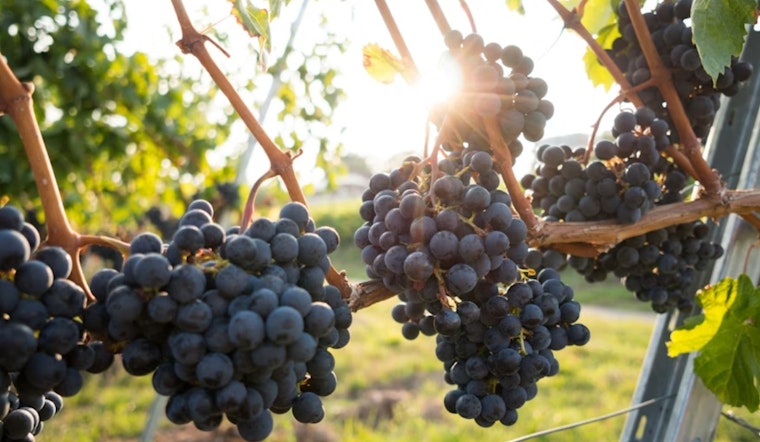
Napa County is hustling to set its own rules for how vineyards can host visitors before a new California law throws the doors open to more off-site tastings. County planners are considering tight guest caps, mandatory transportation, and road limits that could leave many vineyard visits looking a lot smaller and more controlled than the glossy wine-country brochures suggest.
How the new state law works
The state measure, Assembly Bill 720, creates an “estate tasting event” permit that lets licensed winegrowers use their tasting-room privileges at adjacent property or at non-adjacent vineyards they own or control, according to LegiScan. The law caps estate-event authorizations at 36 per licensee per calendar year, sets a $100 fee for each event authorization, plus an annual permit fee, and maintains local land-use review and fire marshal sign-offs. AB 720 is scheduled to take effect Jan. 1, 2026, giving counties a relatively short runway to sort out local rules.
What the Napa staff proposed
Napa County staff rolled out draft interim rules that would significantly narrow the scope of AB 720 in practice, including a 15-person daily guest cap, a ban on self-driving vehicles, requiring guests to be transported by the winery, a 36-day annual limit for vineyard visits, and a prohibition on temporary structures at stops. The proposal would also confine events to roads the county classifies as agricultural, limit shuttle fleets to two vehicles, and aim for roughly 40 vehicle trips per day on those roads. Those specifics were presented to supervisors during a briefing on the county’s implementation plan, as reported by The Press Democrat.
Where supervisors landed
The board signaled support for a two-phase approach: adopt simple, uniform rules now and refine them later, with Chair Anne Cottrell calling the change “a game-changer” for how visitors are managed in the valley. Vice Chair Amber Manfree pushed for a conservative rollout with lower guest numbers, while Supervisor Belia Ramos argued that the rules need to account for Napa’s narrow, winding road network and stay flexible where safe access can be demonstrated. Elise Nerlove urged supervisors to drop the transportation requirement and the 15-person cap and said she plans to use a Type 93 permit to hold small seasonal demonstrations focused on grape farming. County planning director Brian Bordona told supervisors the revised rules would likely return to the board for approval at the end of this year or in early 2026, and the county fire marshal warned that staff chose a one-size-fits-all starting point to move quickly, the paper reported.
Local tensions and small-winery worries
The debate reopened long-running friction between tiny, family producers and Napa’s land-use rules, which industry leaders say are among the strictest in the nation. Small wineries have argued that tight visitation caps and costly permitting make it hard to survive, especially when trade visits and small, appointment-only tastings are a key sales channel, as detailed by the San Francisco Chronicle.
How the law and local rules intersect
Critically, AB 720 keeps local land-use authority front and center. A state event authorization still does not relieve an applicant of review and approval by the appropriate local city, county, or city and county, and the statute says a state authorization becomes void if local approvals, including fire marshal sign-off, are not granted, per the bill text. In other words, Napa’s rules can still effectively limit or block many estate tastings even once the state permit is available.
What comes next for wineries and visitors
County staff will revise the draft rules based on input from the public and the wine industry before submitting a final proposal to the board. If supervisors sign off on limits like these, they will define the number of guests and the types of experiences possible at estate sites. For visitors, this could translate into fewer, smaller, and typically escorted vineyard stops that lean more toward agricultural education than an open-tasting-room atmosphere. Those tracking the process can follow the Board of Supervisors’ agendas and meeting materials on the county website for updates via Napa County.
Napa’s approach demonstrates how a statewide change can be significantly influenced at the local level, leaving estates, neighbors, and visitors to discover just how permissive the valley will be in practice. As AB 720 nears its Jan. 1, 2026, effective date, expect a brisk local debate over safety, traffic, and the future of tasting in the vines.





