

























































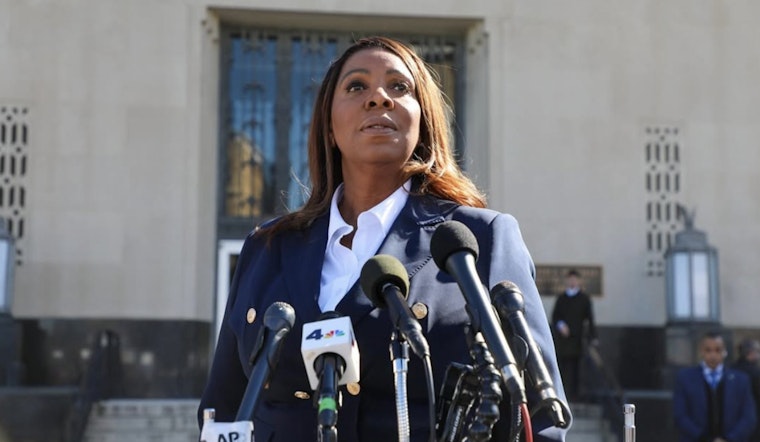
New York Attorney General Letitia James is taking a stand against the Trump administration's recent move to impose new restrictions on federal homelessness funding. Backed by a coalition of 18 attorneys general and the governors of Kentucky and Pennsylvania, James has initiated legal action to protect billions of dollars in grants from the Department of Housing and Urban Development (HUD) that support housing and vital services for those experiencing homelessness. The lawsuit argues that the administration's actions are not only unlawful but threaten to disrupt programs that have been critical in aiding the most vulnerable populations, including veterans and individuals with disabilities.
According to a report by the Office of the Attorney General of New York, the HUD's Continuum of Care (CoC) program has traditionally prioritized a "housing first" model, which offers immediate shelter without onerous requirements. However, following a recent policy shift under Trump's administration, a cap has been introduced, restricting the percentage of CoC funds that can be allocated to permanent housing – a change that could leave an estimated 170,000 people at risk of losing their housing.
Moreover, the administration has imposed conditions that could effectively bar organizations that serve or even recognize transgender and nonbinary individuals from receiving federal funds. This has raised concerns regarding the potential discrimination and exclusion of marginalized communities from vital services. Acting as the vanguard for these communities, Attorney General James boldly stated, "Communities across the country depend on Continuum of Care funds to provide housing and other resources to our most vulnerable neighbors," highlighting the significance of these funds in preventing tens of thousands from homelessness. She affirmed her commitment, asserting, "I will not allow this administration to cut off these funds and put vital housing and support services at risk," as per the Attorney General's Office.
Reacting to the implications of the Trump administration's policy moves, New York City Mayor Eric Adams defended the success of supportive housing in combating homelessness in his city. "The Adams administration has delivered back-to-back supportive housing records for formerly homeless New Yorkers with over 2,700 supportive housing units being produced in 2024 alone," he mentioned in his defense which supports the city's vulnerable residents, reinforcing the Mayor's emphasis on collaborative efforts to address the homelessness crisis. The mayor underscored his city's resolve in partnering with the state's legal challenge, striving to preserve effective solutions for a problem that demands concerted action, as reported by the Attorney General's Office.
In the face of potential funding cuts and new restrictions, various New York officials have vocalized their apprehension and readiness to confront these changes. Pascale Leone of the Supportive Housing Network of NY shared concerns about the threat to nearly 14,000 affordable and supportive homes reliant on CoC funds, hinting at the dire consequences for many New Yorkers in the coming holiday season. Officials argue that the administration's measures contradict Congressional mandates and may be in violation of the Administrative Procedure Act and the Constitution's Spending Clause.





