

























































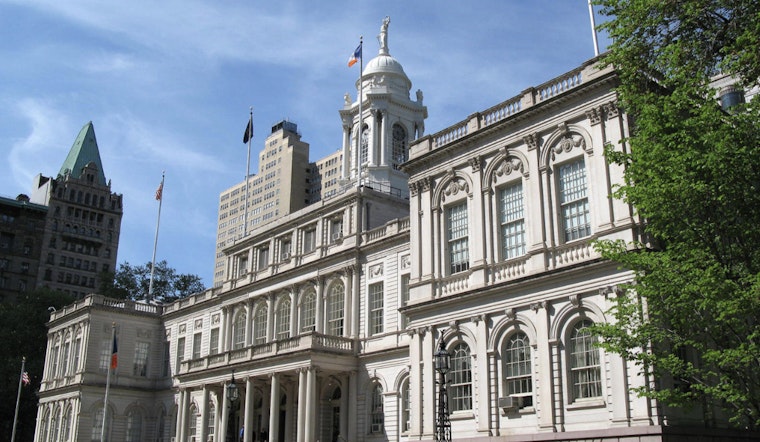
After an ambitious push to improve health outcomes citywide, New York City Mayor Eric Adams and the Department of Health and Mental Hygiene's Acting Commissioner Dr. Michelle Morse announced the premature achievement of a major health milestone. According to an official statement from the NYC Mayor's Office, the life expectancy of New Yorkers has leapt to 83.2 years, surpassing the HealthyNYC Plan's goal set for 2030, and they've done this five years early, no less. HealthyNYC was initially set in motion back in 2023, with targets focusing on reducing premature deaths from various causes such as chronic diseases, cancer, and violence, along with COVID-19.
Speaking on the city's commendable progress, Mayor Adams stated, "As I have always said, it's not just what's in your DNA, it's also what's in your dinner." Dr. Morse chimed in, celebrating the achievement, but also highlighting the need to address "extreme racial inequities persist among other causes of death." Kudos to the city for this victory; however, the consistent focus on further reducing such inequities cannot be overstated, as reported by the NYC Mayor's Office.
Detailing the progress, the provisional data for 2024 shows a notable reduction in deaths related to COVID-19, with a staggering 93.1 percent decline. Heart-and diabetes-related deaths also saw a decrease by 3.4 percent, although rates among non-Hispanic Black individuals remain high. In another positive move, homicides and overdose deaths fell by 26.4 percent and 18.2 percent respectively. Yet, it's worth ajnknowledging that the highest rates of overdose deaths occur in non-Hispanic Black and Hispanic populations, a clear sign that the city must double down on its equal health efforts.
The Adams administration deserves a pat on the back for other health victories as well. The NYC Mayor's Office reports the creation of the DOHMH's Public Health Corps and distributing over 300,000 naloxone kits to combat overdoses. They didn't stop there, having also announced significant funding for opioid treatment programs and initiatives like Citywide Doula Initiative, which provides critical support to pregnant and postpartum New Yorkers, which includes more than 20,000 families since 2021.
Furthermore, addressing chronic illnesses is another major bracket where the city has made strides. Through the release of a citywide chronic disease report, and the operation of Neighborhood Health Action Centers in highly impacted areas, NYC is sparing no effort in targeting the health frontiers that need the most help.





