

























































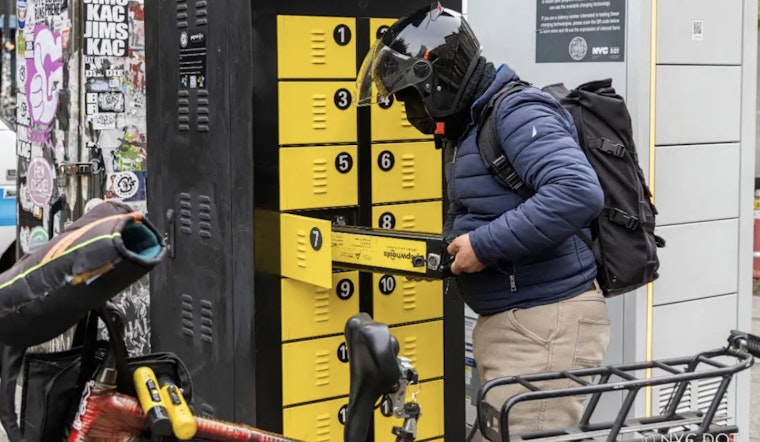
The streets of New York City are poised for a transformation aimed at enhancing safety and convenience for the city's growing legion of e-bike riders. The Department of Transportation (DOT) has confirmed plans to deploy a network of battery-swapping and charging cabinets across the five boroughs, targeting areas bustling with delivery activity. Installation of these cabinets is part of a strategic response to the sharp rise in fires related to lithium-ion batteries, which have caused devastation ranging from loss of property to the loss of human lives.
At least 30 New Yorkers have fallen victim to such fires since 2022, as reported by Gothamist. These alarming statistics have prompted the city's agencies to rethink e-bike energy sources and their management. FDNY Commissioner Robert S. Tucker highlighted the importance of this initiative, stating, "By expanding access to safe charging infrastructure in neighborhoods where delivery workers rely on e-bikes the most, the city is taking a critical next step to prevent future tragedies and keep New Yorkers safe." Each cabinet will be equipped with various safety features, including regular inspection, battery health monitoring, automatic malfunction alerts, and fire suppression systems.
This initiative seeks to support the daily grind faced by delivery workers. Commissioner Ydanis Rodriguez of the DOT underscored the significance of supporting these crucial members of the workforce. "Delivery workers have one of the toughest jobs in New York City. Building a public e-bike charging network is an investment in better working conditions and more peace of mind for working-class New Yorkers," Rodriguez told AM New York. While the membership for access to the cabinets will be paid, the DOT assures that prices will remain affordable to ensure inclusivity for all e-bike riders, thus preserving the network's accessibility.
The DOT has not shied from the complexities of locating the ideal sites for these new infrastructures. They have committed to engaging the public for insights on site selection, design, and implementation, all while maintaining a focus on keeping the sidewalks safe and unobstructed. According to preliminary plans obtained by AM New York, installations are set to roll out in 2027 following necessary utility upgrades. This forward motion is also propelled by advocacy from those speaking on behalf of the delivery workers, like Ligia Guallpa of the Worker’s Justice Project, who credits the developments as "a significant investment in building the safe, equitable infrastructure this workforce needs to power a greener, more sustainable last-mile delivery system in New York City."
With city officials and advocacy groups aligning in their goals, New York's landscape is on the cusp of adapting to a greener, safer future. These efforts echo a collective testament to the city’s commitment to mitigating risks associated with new technologies while supporting the demand for environmentally friendlier modes of transport.



