

























































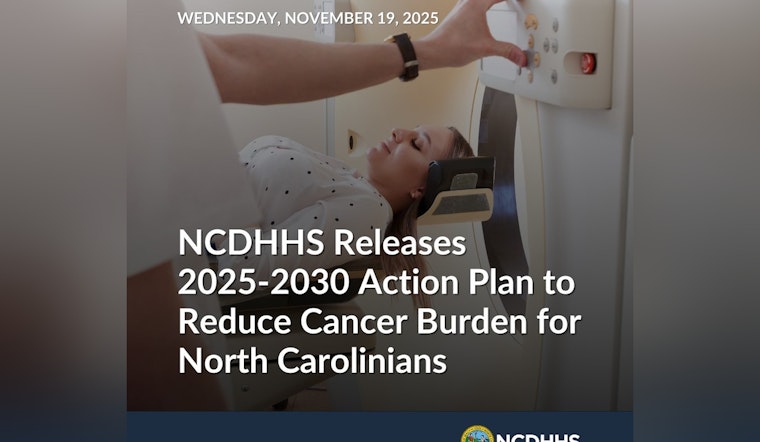
The North Carolina Department of Health and Human Services has officially released a comprehensive plan aimed to aggressively tackle the cancer rates plaguing North Carolinians, focusing on the most impactful forms of the disease. Entitled "A Statewide Call to Action to Reduce Cancer in North Carolina: 2025-2030 North Carolina Cancer Plan," the strategy seeks to address disparities, particularly in underserved and rural populations that statistics show bear a disproportional burden of cancer incidences and outcomes. These communities often face higher rates of cancer, compounded by disabilities and fatalities linked to the disease, as per the NCDHHS.
Outlined in the action plan are battles against six major cancers: lung, breast (female), prostate, colorectal, melanoma skin, and HPV-related cancers. Each cancer type is met with precise objectives and interventions focusing on prevention, risk reduction, screening, treatment, and survivorship. According to a statement by Dr. Lawrence Greenblatt, State Health Director and Chief Medical Officer at NCDHHS, "The Cancer Plan is a vital tool in our fight against cancer. It outlines clear strategies to reduce risk, improve early detection, and to expand access to care. We urge communities across the state to use this plan to help save lives," according to the NCDHHS press release.
The plan’s core ambitions are to lower the risk of cancer through advocating for healthier lifestyles, to increase cancer screenings, to enhance the quality of cancer treatment as well as care coordination, and to raise both healthcare professionals' and the public's awareness about cancer and its interplay with other chronic diseases. Inequities in health outcomes have long been documented in North Carolina, with research showing rural and minority communities facing steeper cancer incidence and mortality rates. Social determinants of health, including access to nutritious food, safe housing, and healthcare services are pivotal in addressing these differences.
Dr. Kimberly McDonald, Chief of the Chronic Disease and Injury Section at NCDHHS, emphasized the importance of equitable health opportunities, remarking, "Every North Carolinian deserves the opportunity to live a healthy life. That means investing in the conditions that drive health — like access to nutritious food and preventive care. The Cancer Plan supports this vision by promoting screenings, vaccinations and other early interventions that can prevent illness and to save lives." These interventions include evidence-based strategies recommended by the U.S. Center for Disease Control and Prevention, especially tailored for the state’s unique demographic landscape, as reported by the NCDHHS.
Developed in partnership with various stakeholders, including the Comprehensive Cancer Control Program, Cancer Prevention and Control Branch, the Advisory Committee on Cancer Coordination and Control, and the NC Cancer Leadership Team, the plan represents a collective effort. Dr. Vickie Fowler, Chair of the NC ACCCC, describes the plan as more than just a document. "Cancer touches nearly every family in North Carolina, and the burden on our communities is profound," Fowler told NCDHHS. "The Cancer Plan is more than a document; it’s a call to action. It reflects our shared commitment to prevention, early detection, access to care, and survivor support. We urge healthcare professionals, policymakers, advocates and community members to join us in building a healthier future." For further details, the full 2025-2030 North Carolina Cancer Plan can be read online at the NCDHHS website or through the NC Comprehensive Cancer Control Program Resource Hub.


