

























































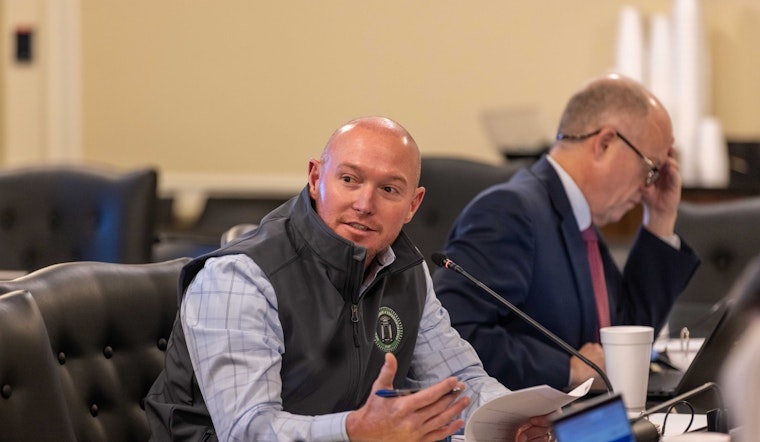
Oklahoma lawmakers hosted a crucial discussion on the controversial role of pharmacy benefit managers (PBMs) in the state’s health care system. On Monday, Rep. T.J. Marti and Sen. Spencer Kern took an investigative dive into how PBMs impact patient access, local pharmacies, and the overall health care costs for Oklahomans, according to the Oklahoma House of Representatives.
Marti has shared his firsthand observations on the harms inflicted by PBM practices on patients and independent pharmacies. His aim, as he conveyed, is to align the state's health care framework with standards of fair pricing and quality care, while ensuring sustenance for the local pharmacies that are foundational to community health. The debate brought to light the community pharmacies' struggle under the financial pressures from PBMs, and the intricate nature of the drug supply chain, which is said to have left many pharmacies compensated below their acquisition costs.
Experts like Jonathan Buxton of the Pharmaceutical Care Management Association have defended PBMs, claiming their role is to safeguard access to pharmacies, all the while managing costs for plan sponsors. In contrast, Antonio Ciaccia, CEO of 46Brooklyn Research and 3 Axis Advisors, laid bare the financial incentives at each point in the drug supply chain, from manufacturers to PBMs, that contribute to a lack of transparency and escalating drug prices.
Moreover, local pharmacists brought their individual battles to light. Todd Pendergraft, who co-owns Broken Arrow Family Drug Stores, described nearly $30,000 in underpayments on workers’ compensation prescriptions over the past year and an unfair inclination by PBMs to direct patients to their own pharmacies. Further complicating the matter, Lucas Coody, PharmD, pinpointed the arduous and shifting appeals process imposed by PBMs. Scott Biggs, Commissioner of the Oklahoma Workers’ Compensation Commission, revealed that while his agency sets maximum reimbursement rates, PBMs fall under the regulation of the Attorney General and the Insurance Department, a disconnect that may affect enforcement and oversight, according to the Oklahoma House of Representatives.
Following these testimonies, Kern has recognized the pressing need for more stringent regulation of PBMs, stressing that while they are an integral part of the health care system, their operational methods should not contribute to the detriment of the state’s finances or patients' access to medications. In response to the concerns raised, Marti thanked the participants and committed to seeking reform in the upcoming legislative session. With these efforts, Oklahoma could see changes that would strive to balance the equation between fair pharmacy compensation and patient affordability.





