

























































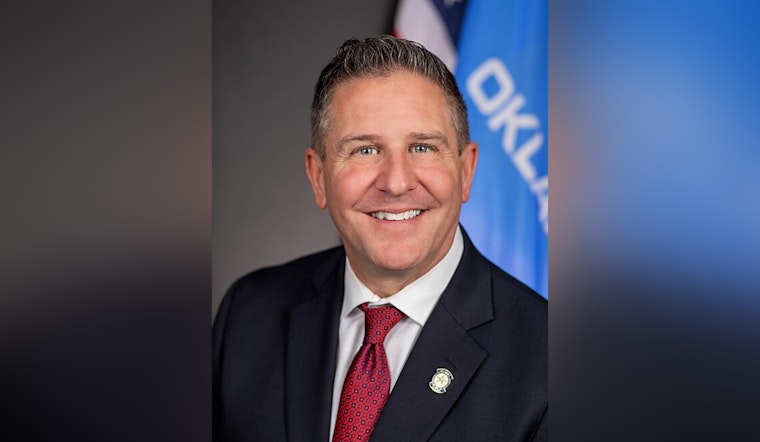
In a solemn gathering at the Oklahoma Capitol, State Senator Todd Gollihare stood alongside House Speaker Kyle Hilbert to make a case for "Leo’s Law," proposed legislation sparked by the tragic fentanyl poisoning of an Oklahoma toddler. The bill, if passed, would mandate the inclusion of fentanyl testing in all child-welfare drug screenings where there's suspicion of its use. This action, according to Gollihare, is an imperative alteration to existing law meant to prevent tragedies similar to that which befell three-year-old Leonardo "Leo" Towe, the Oklahoma Senate reported.
During the event, Gollihare described the incident as "This was a tragedy of biblical proportions," according to the Oklahoma Senate. The current drug screening panels for child welfare don't include tests for fentanyl, a gap the law aims to close. Individuals subject to the testing would cover the costs unless they're eligible for state or federal aid. Additionally, the bill suggests a $50 fine in child-endangerment cases involving fentanyl to assist in offsetting testing expenditures.
As part of the event's proceedings, families who've experienced losses due to fentanyl and advocates for prevention spoke out. To visualize the gravity of the issue, the North Plaza Lawn displayed over 1,200 white crosses, each symbolizing an Oklahoman lost to the drug, culminating in a candlelight vigil and a memorial balloon release.
With fentanyl as the leading cause of accidental death in the US, both Gollihare and Speaker Hilbert are pushing for immediate action. Hilbert highlighted the urgency of the situation, saying, "Fentanyl is not just a public health issue, it is a child welfare crisis," the Oklahoma Senate publication mentioned. Through "Leo's Law," proponents like Gollihare assert that although the law can't bring Leo back, it can provoke a significant shift – one that fortifies Oklahoma families against future grief.
The proposed legislation is slated for filing ahead of the 2026 legislative session. If signed into law, "Leo’s Law" could serve as a safeguard for children across the state, mandating proactive measures in the face of a drug crisis that shows no signs of waning.





